Explore our elite sensory-integrated supply line, precision manufactured for high-durability chew response and intellectual pet engagement.
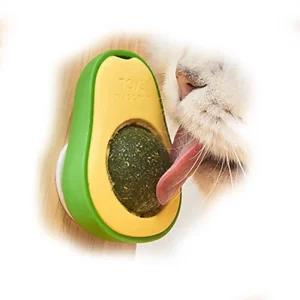
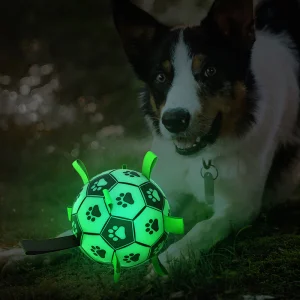
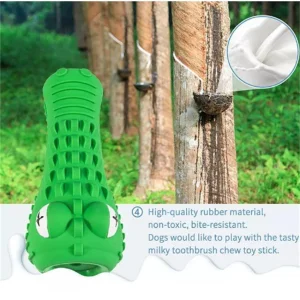
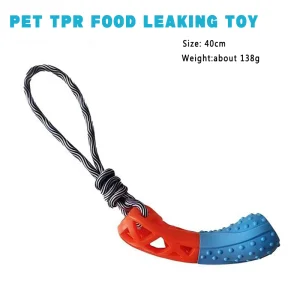
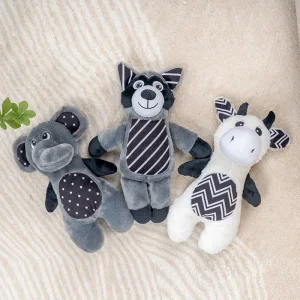
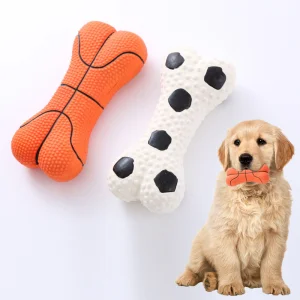
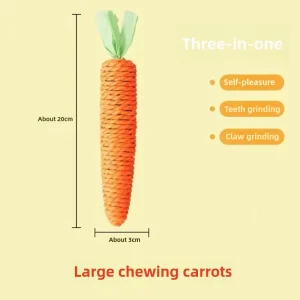
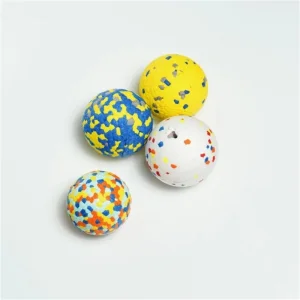
The global pet supplies market is experiencing an unprecedented structural upgrade. According to current macro industry research, the global pet toy market size reached USD 8.5 billion in recent years and is projected to expand at a compound annual growth rate (CAGR) of 6.2% through 2030. Within this expanding ecosystem, auditory and sensory stimulating devices—specifically squeaky cat toys and interactive chew toys—represent the fastest-growing segment, comprising over 35% of the total feline recreation sector.
Historically, feline toys were limited to static structures like catnip balls or basic feather wands. However, modern veterinary science and feline behavioral insights have sparked a paradigm shift. Felines retain highly concentrated predatory patterns, making auditory responses a critical component of their cognitive and physical development. Consequently, international importers, large distributors, and digital retail brands in North America, Europe, and Asia-Pacific are progressively replacing traditional toys with dynamic, multi-sensory items designed to satisfy predatory drive.
From a supply chain perspective, East Asia remains the central manufacturing powerhouse, with Wenzhou emerging as a premier industrial hub for plastic, textile, and wood-forming pet goods. Modern manufacturers in this region have transitioned from low-cost assembly setups to high-tech, vertically integrated facilities capable of delivering customized, non-toxic, and safety-compliant pet solutions at scale.
Information Gain Insight: The modern pet consumer acts more like a parent than a pet owner. This shift towards "pet humanization" means buyers demand materials of the same safety grade as children's toys, making certifications like BSCI and compliance with EN71/REACH essential for wholesale procurement.
Three core mega-trends are redefining the squeaky cat and dog toy industry:
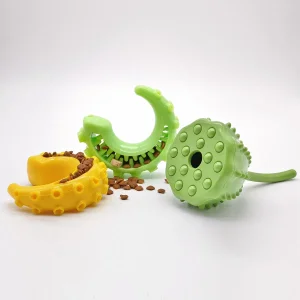
Traditional pet chew toys often relied on low-grade PVC containing phthalates, posing long-term health risks to pets. Today, B2B importers prioritize eco-friendly, non-toxic materials. The industry has shifted towards Thermoplastic Rubber (TPR), high-elasticity ETPU, and food-grade silicones. These materials offer exceptional durability and high tear resistance, and do not release harmful chemical byproducts when exposed to pet saliva. Additionally, biodegradable paper ropes and natural wood elements are increasingly used to meet eco-conscious consumer preferences.
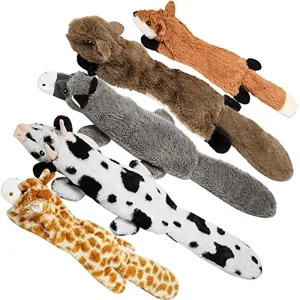
Traditional squeaker mechanisms generate loud, high-pitched noises that can irritate pet owners and trigger sensory stress in sensitive animals. The latest technical trend focuses on frequency-calibrated squeakers. Manufacturers now tune acoustic chambers to specific decibel levels (typically between 60 to 70 dB) or incorporate ultra-sonic squeakers. These sound at frequencies detectable by dogs and cats (above 20 kHz) but remain completely silent to the human ear.
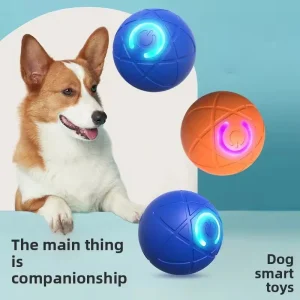
As part of the internet-of-things (IoT) expansion into the pet sector, motion-activated, smart jumping balls and rotating toys are gaining rapid traction. By integrating miniature rechargeable lithium batteries, low-energy microchips, and G-sensors, modern cat toys can simulate unpredictable movements (e.g., erratic rolling and sudden hops) while emitting squeaks only upon physical touch. This keeps pets engaged, reduces battery consumption, and helps prevent boredom-related anxiety.
A key factor in optimizing a global B2B pet supply chain is understanding that localization drives purchase decisions. Distributors must select products that fit the regional lifestyle and regulatory environment of their target market:
Looking toward 2030, pet toy development will integrate bio-mechanical engineering and digital electronics. The technical roadmap highlights key focus areas for R&D teams:
Developing customizable squeak chambers with adjustable tone control, allowing owners to switch between audible squeaks and ultrasonic modes.
Moving from synthetic plastics to cornstarch-derived PLA and biodegradable TPU composites that decompose within 18 months in landfill conditions.
Integrating AI-driven chips that analyze a pet's playing habits and adjust speed, rotation direction, and sounds to keep them engaged over time.
Established as a quality benchmark, Wenzhou Creative Pet Toys Co., Ltd. offers vertically integrated design, mold manufacturing, and international export solutions.
| Brand | Wenzhou Creative Pet Toys Co., Ltd. |
|---|---|
| Business Type | Manufacturer, Trading Company |
| Product Range | Pet Cleaning & Grooming, Pet Toys, Home Sundries |
| Key Products | Pet toys, hair removal combs, backpacks, toothbrushes, leashes, wooden pet products |
| Staff Size | 5 ~ 50 Employees |
| Compliance | BSCI Audited Factory |

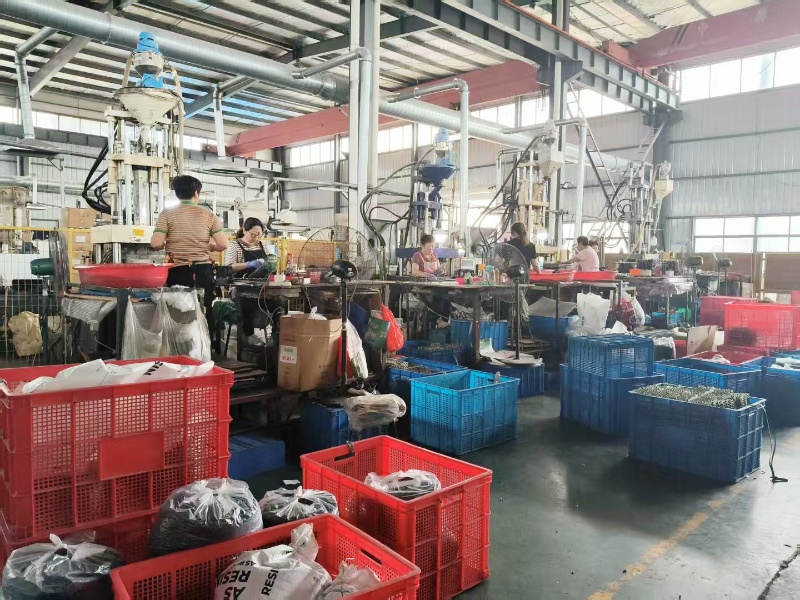
Adhering to the principle of "what others don't have, we have; what others have, we excel at," we leverage modern production models and precise craftsmanship to ensure exceptional product quality. We offer reliable, turnkey solutions for B2B pet product sourcing.
Discover our second tier of advanced interactive toys, designed with bite-resistant materials and smart dynamics to support sensory-based play.

 Creative Pet Toys