Play is often seen as a trivial activity. However, it holds significant potential to enhance pet behavior. Dr. Emily Carter, a leading expert in animal behavior, states, "Engaging pets through play can reshape their habits and strengthen the owner-pet bond." This truth becomes evident when evaluating how play can be strategically used to improve pet behavior.
Understanding how to improve pet behavior through play requires an appreciation for the benefits of interactive activities. For instance, energetic games can redirect a pet's anxiety or destructive tendencies. Play helps them expend excess energy while simultaneously learning essential skills. These crucial moments of engagement can create lasting change in their behavior patterns.
Yet, not every pet responds the same way to play. Individual preferences can shape the effectiveness of different games. Some pets may thrive on fetch, while others may prefer puzzles or tug-of-war. It’s essential to reflect on what each pet enjoys most. Tailoring play to each pet's unique personality can unlock their potential and make behavior modification a more enjoyable journey for both pet and owner.
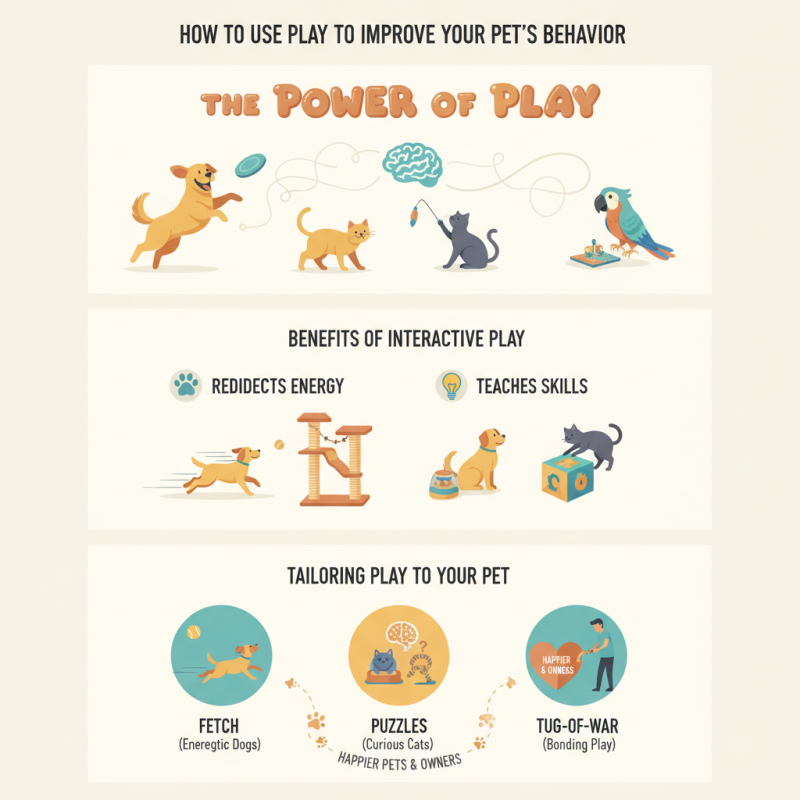
Play is a crucial element in enhancing pet behavior. Engaging in interactive play sessions can significantly reduce undesirable behaviors such as excessive barking and destructive chewing. According to a 2021 study published in the Journal of Veterinary Behavior, pets that have regular playtime demonstrate improved social skills. This interaction fosters trust between animals and owners, creating a more harmonious relationship.
Additionally, play serves as a natural outlet for pent-up energy. A report from the American Veterinary Medical Association suggests that pets require at least 30 minutes of play each day to maintain mental and physical health. This engagement can redirect attention from negative behaviors like digging and jumping. Owners can try using toys or games that challenge their pets both mentally and physically. However, not all pets respond positively to playtime. Some may take time to warm up to certain activities.
Creating a structured play schedule can help in monitoring progress. It is essential to note that playtime can vary among different breeds and individual pets. Some may thrive with high-energy activities, while others may prefer calm interaction. Observing these preferences can help tailor playtime effectively, providing a more enriching experience for your pet.
When choosing play activities for pets, understanding their needs is essential. Dogs often enjoy fetch or tug-of-war. These games stimulate physical activity and encourage bonding with owners. A quick trip to the park for a game of fetch can make a dog much happier. However, some might not chase after the ball. This difference should be acknowledged.
Cats, on the other hand, enjoy different types of play. They might prefer stalking and pouncing on toys. Feather wands or laser pointers can engage their hunting instincts. However, not all cats respond to these toys. Some may seem uninterested, making it essential for owners to experiment with various playstyles.
For smaller pets, like rabbits or guinea pigs, interactive play is beneficial. Providing tunnels or chew toys caters to their natural behaviors. Yet, they can sometimes appear shy or hesitant. Patience is vital. Observing their interactions during playtime can offer insights on what they enjoy. With time, the right activities will encourage positive behavior.
| Pet Type | Play Activity | Benefits |
|---|---|---|
| Dogs | Fetch | Improves obedience, encourages physical exercise |
| Cats | Laser Pointer Chase | Stimulates hunting instincts, provides exercise |
| Rabbits | Obstacle Course | Promotes agility, helps with confidence building |
| Birds | Puzzle Toys | Stimulates mental activity, reduces boredom |
| Ferrets | Tunnels and Hiding Spots | Encourages exploration, satisfies curiosity |
Incorporating training into playtime sessions can enhance your pet's behavior while strengthening your bond. Start by choosing toys that encourage interaction. Use a favorite toy during play and combine it with basic commands like "sit" or "stay." Each time your pet responds correctly, reward them with playtime or treats. This creates positive associations with training.
Start with short sessions to keep your pet engaged. Dogs may lose focus after a few minutes. Cats can get overstimulated easily. Adjust the duration according to your pet's needs. Experiment with different training techniques during play. Some pets may respond better to verbal commands, while others may prefer hand signals. Reflect on your pet's reactions. If they seem disinterested, try different activities. Using treats for motivation can also help to keep their attention.
It is vital to remain patient. Early setbacks are common; not every session will be perfect. Consistency is key, but it's important to adapt your methods as needed. Sometimes, a break is necessary. Always observe your pet’s body language and energy levels. This will guide you in finding the right balance between play and training.
Play is an essential aspect of pet behavior improvement. Engaging in playtime not only entertains pets but also provides essential feedback on their behavioral progress. Monitoring behaviors during play helps pet owners identify issues, ensuring a healthy environment for training and socialization.
Research shows that 71% of pet owners believe active play contributes to better behavior. Observing your pet's reactions during play can indicate stress levels, aggression, or anxiety. For instance, if your dog play-bows but quickly retreats, it may show uncertainty. Cats may hiss or swat when overwhelmed. These signals allow you to adjust your training methods.
Tips: Encourage different types of play. Toys can stimulate mental agility. Interactive play can enhance social skills. Regularly assess your pet's interactions with toys and other animals. Keep notes on behaviors that emerge. This documentation can be invaluable in noticing patterns or improvements.
Being vigilant and responsive during play helps shape desired behaviors. However, reflect on your own actions too. Sometimes, your enthusiasm can inadvertently overwhelm your pet. Observe the responses closely, and adjust accordingly. Small shifts in your approach can lead to significant behavioral changes over time.
Creating a positive play environment for your pet is essential for their behavior improvement. Start by selecting the right space. It should be free from distractions and hazards. A quiet corner of your home or a secure backyard works well. Ensure the area is spacious enough for your pet to move freely. This promotes confidence and reduces anxiety.
Next, focus on the type of toys you provide. Select toys that engage your pet’s instincts. For dogs, consider balls or puzzle toys. For cats, interactive feather toys can be great. Rotate toys regularly to maintain your pet’s interest. Observe your pet’s reactions to different toys. This can help you identify what fosters joy and excitement.
Keep play sessions short but frequent. Animals can become overwhelmed, leading to negative behaviors. Watch for signs of fatigue or frustration. If playtime gets too intense, pause and allow your pet to rest. Be patient and adjust your approach as needed. Every pet is unique, and their preferences may change over time. Reflect on what works and what doesn’t. This awareness will help you create an optimal play environment.
: Dogs often enjoy fetch and tug-of-war. These games enhance physical activity and bonding with owners.
Some dogs may not be interested in fetching. It's important to recognize and adapt to their preferences.
Cats usually like stalking and pouncing. Feather wands or laser pointers can stimulate their hunting instincts.
Not all cats respond to the same toys. Experiment with different play styles to discover what engages them.
Provide interactive play with tunnels and chew toys. These cater to their natural behaviors for better engagement.
Patience is vital. Some pets may be shy or hesitant. Observe their interactions for better insight into their preferences.
Use favorite toys alongside basic commands. Reward correct responses with playtime or treats to create positive associations.
Keep sessions short. Dogs might lose focus quickly, and cats can become overstimulated. Adjust duration to each pet's needs.
Reflect on your pet's reactions. If they seem disinterested, try different activities or training methods.
Early setbacks are normal. Consistency is essential, but adapting your method is sometimes necessary for success.
Play is a crucial element in enhancing pet behavior, and understanding its role can significantly contribute to training efforts. "How To Improve Pet Behavior Through Play" involves engaging your pet in various types of play activities tailored to their specific needs. From interactive games for dogs to puzzle toys for cats, the right play activities can foster positive behaviors and strengthen the bond between pets and their owners.
Incorporating training into playtime sessions can make learning enjoyable for pets, helping them absorb commands more effectively. Regularly monitoring and assessing behavioral progress through play allows owners to fine-tune their approach, ensuring that playtime remains constructive. Creating a positive play environment, characterized by encouragement and safety, is essential for maximizing the benefits of play in pet training. By strategically using play, pet owners can promote better behavior and enhance their pets' overall well-being.

Creative Pet Toys