10 Tips for Choosing Durable Toys for Your Pets?

Time:2026-05-28 Author:Ethan
0%

When it comes to pet ownership, selecting the right toys is crucial. How to choose durable toys for pets can significantly impact their safety and enjoyment. Pets have unique needs, and finding toys that withstand the challenges of their playtime is essential. Durable toys can prevent the risks of choking and ingestion of small parts, which is a common concern among pet owners.

Consider the materials used in a toy. Rubber, nylon, and some heavy-duty fabrics often provide the best durability. Pet preferences also play a role. Some pets may prefer soft toys, while others may enjoy chew toys. It's important to observe their habits to make informed choices.

Reflecting on past experiences can further guide your decisions. Have you noticed certain toys that your pets destroy quickly? Learning from these patterns can lead to better selections. Not all toys are created equal, and you may face challenges in finding what works best for your furry friends. However, engaging in this process can lead to a more satisfying play experience for them.
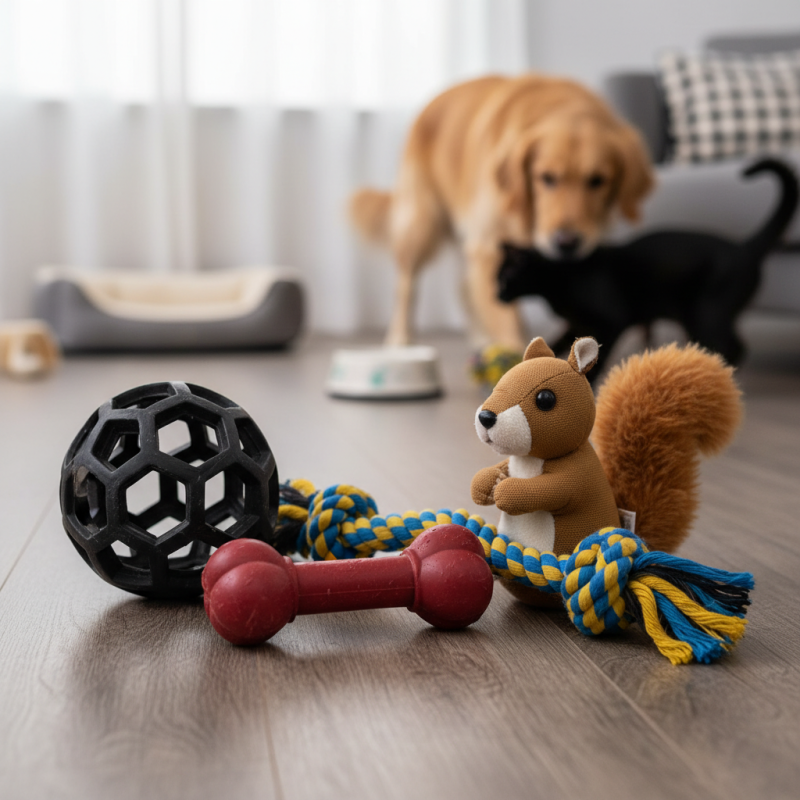
10 Tips for Choosing Durable Toys for Your Pets?

Understanding Pet Toy Durability: Key Factors to Consider

When choosing toys for your pets, durability is a crucial factor. Not all toys are made to withstand the energy and enthusiasm of a playful pet. Look for materials that are sturdy and resistant to wear and tear. Rubber, nylon, and high-quality plush can often endure rough play. Explore toys designed with layers that add strength. Tougher toys can save you money in the long run.

Consider your pet's chewing habits. Some pets are aggressive chewers, while others are more gentle. For aggressive chewers, select toys specifically engineered for high durability. Always check for small parts that might break off and become choking hazards. Observing how your pet interacts with their toys can provide insights. If they destroy toys quickly, it may indicate a need for sturdier options.

Ultimately, not all toys marketed as durable are indeed so. You might find some falling short of expectations. It's essential to continually evaluate your choices. Take note of which toys stand the test of time and which don't. It’s a learning process that varies per pet. Keeping an open mind will help you find the best options for your furry friend.

Material Selection: Safe and Resilient Options for Pet Toys

When selecting duruable toys for your pets, material matters immensely. Recent studies indicate that nearly 85% of pet owners value toy safety. That means choosing toys made from non-toxic, resilient materials is crucial. Look for options like natural rubber or recycled fabrics, which provide durability without compromising pet safety.

Tip: Always check for certifications on materials. This ensures they are safe for your furry friends. Products labeled as BPA-free or phthalate-free tend to be better choices. These materials can withstand aggressive chewing without breaking down into harmful bits.

It's also important to consider the purpose of the toy. Toys designed for heavy chewers often use stronger compounds. However, softer materials may suit gentler pets. According to industry reports, about 60% of toys fail safety tests due to poor material quality. This highlights the need for careful selection.

Tip: Observe how your pets interact with their toys. If a toy shows signs of wear quickly, it may not be the best choice. Regularly assess and replace toys to ensure your pets remain safe. Choosing the right materials may require some trial and error, but prioritizing safety and durability will always pay off.

Age and Activity Level: Matching Toys with Your Pet's Needs

When choosing toys for your pets, consider their age and activity level. Young pets, like puppies and kittens, are often more energetic. They need toys that can withstand rough play. Look for sturdy materials that can endure biting and tugging. Soft plush toys may not last long with enthusiastic chewers. Instead, opt for rubber or nylon options for improved durability.

Older pets may require different types of toys. They often prefer softer textures that are gentle on their teeth. Interactive toys are great for keeping them mentally stimulated. These can enhance their playtime without being overly strenuous. It’s essential to observe how your pet engages with their toys. Some may lose interest quickly while others show a preference for specific shapes or colors.

Tailoring toy choices to your pet's unique needs can be challenging. Not every toy will appeal to every pet. It's helpful to experiment and be prepared to switch out toys that don’t get used. Regularly assess the condition of their toys as well. A worn-out toy can lead to safety concerns. Aim for a balance between fun and safety. A better understanding of your pet's behavior will lead to better toy selections.

10 Tips for Choosing Durable Toys for Your Pets

Toy Type Material Durability Level Activity Level Suitability Age Suitability
Chew Toy Rubber High High Energy 6 months and up
Stuffed Animal Fabric Medium Low to Medium Energy All ages
Fetch Ball Foam Medium High Energy 1 year and up
Rope Toy Cotton High Medium Energy 6 months and up
Interactive Puzzle Plastic Medium Low to Medium Energy All ages

Evaluating Manufacturer Standards: Safety Certifications and Testing

When evaluating pet toys, safety certifications are crucial. Manufacturers should meet specific safety standards. The American Society for Testing and Materials (ASTM) outlines testing procedures for pet products. Adhering to these standards ensures durability and reduces hazards.

A report from the Pet Industry Federation reveals that 35% of pet owners worry about toy safety. Yet, many don’t verify certifications. This gap indicates a need for better awareness. When selecting toys, look for labels from recognized certification bodies. They guarantee that the toys have undergone rigorous testing.

Not all toys pass safety tests. Some may contain harmful materials or have design flaws. Therefore, it’s essential to consider the manufacturing process. Transparently sourced materials often lead to safer products. Research shows that 62% of pet injuries stem from defective toys. By prioritizing safety certifications, you significantly reduce risks for your pet. Stay informed and choose wisely.

Longevity and Cost: Analyzing Value in Durable Pet Toys

When selecting durable toys for pets, consider their longevity and cost. A reliable toy should withstand frequent use and rough play. Instead of choosing the cheapest option, analyze the long-term value. Sometimes, higher upfront costs lead to better overall savings.

Look for materials that are known for durability. Rubber, for example, can tolerate biting and chewing. Plastic toys may seem affordable but often break quickly. A broken toy not only wastes money but can also pose safety risks. Check for labels or reviews that indicate toughness. The right toy can last for months or even years.

Many pets have different play styles. A toy that’s durable for one dog may not suit another. Observe how your pet interacts with toys. If they destroy it in days, reconsider your choice. It's crucial to reflect on each purchase. Investing in quality toys ultimately supports your pet's wellbeing and keeps them entertained.

FAQS

: Why is durability important in pet toys?

: Durability prevents toys from breaking easily. Sturdy materials ensure longer-lasting fun for your pet.

What materials are best for durable pet toys?

Consider rubber, nylon, and high-quality plush. These materials resist wear and tear effectively.

How can I determine if a toy is suitable for my pet?

Observe your pet's chewing habits. Aggressive chewers need toys specifically designed for high durability.

Are all toys labeled as durable actually strong?

Not always. Some may fail to meet expectations. Regular evaluation is necessary.

How can I ensure the safety of pet toys?

Look for safety certifications from recognized organizations. These indicate that the toys have been tested.

What percentage of pet owners worry about toy safety?

Around 35% of pet owners express concerns about the safety of toys for their pets.

What should I do if my pet destroys toys quickly?

Consider switching to tougher toys. This may indicate a need for more durable options.

How can I find out if a toy is made from safe materials?

Research the manufacturing process and seek transparency in material sourcing for safer products.

Why is it important to check for small parts in toys?

Small parts can become choking hazards. Always inspect toys to ensure they are safe for your pet.

How often should I evaluate the toys I buy for my pet?

Regularly evaluate your pet’s toys. This helps you understand which toys last and which need replacing.

Conclusion

When it comes to understanding how to choose durable toys for pets, considering key factors such as material selection, pet age, and activity level is crucial. Safe and resilient materials can enhance the longevity of toys, while matching toys to your pet's unique needs ensures they remain engaged and satisfied. Evaluating manufacturer standards through safety certifications and testing is essential to avoid potential hazards.

Additionally, assessing the longevity and cost of pet toys allows pet owners to determine their overall value. Investing in well-made toys may initially seem more expensive, but they often save money in the long run due to their durability. By following these guidelines, pet owners can select toys that are not only enjoyable for their pets but also endure the test of time.

Ethan

Ethan

Ethan is a seasoned marketing professional with a deep expertise in our company's innovative product line. With a passion for sharing knowledge and insights, he takes the lead in regularly updating our corporate blog, where he explores industry trends, product features, and effective marketing......