Preventing pet boredom is crucial for the overall happiness and well-being of our furry friends. Dr. Emily Carter, a renowned animal behaviorist, once stated, “Engaging pets mentally and physically is key to their happiness.” This insight highlights the significance of understanding how to prevent pet boredom at home.
Pets, just like humans, can experience stress and anxiety when they lack stimulation. A bored pet may become destructive, anxious, or depressed. Interactive toys, regular exercise, and creative playtime can significantly enhance their quality of life. For instance, dedicating time each day for play and exploration can foster a stronger bond between you and your pet.
However, many pet owners might overlook the signs of boredom. A lack of interest in play or increased vocalization can indicate an unmet need for engagement. Reflection on your pet’s behavior can prompt necessary changes in their routine. Finding effective strategies to combat boredom not only enriches their lives but also cultivates a happier living environment for both pet and owner.
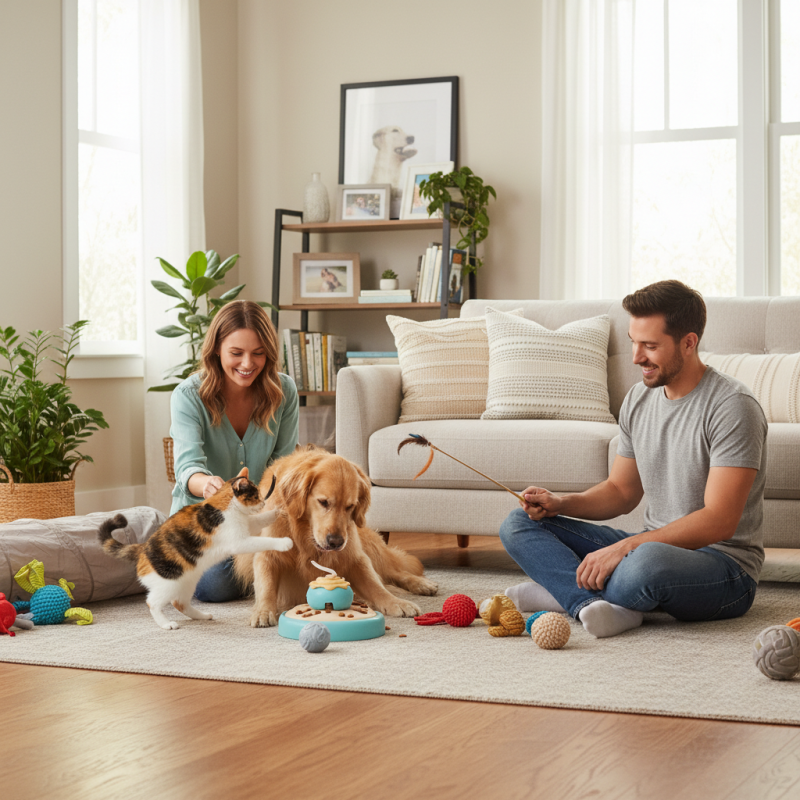
Pet boredom stems from a lack of mental and physical stimulation. Many pets, especially dogs and cats, need activities to stay engaged. When pets don’t get enough exercise, they may resort to destructive behaviors. Chewing furniture, excessive barking, or even aggression can result from this frustration. Pets can also exhibit signs of anxiety, which can affect their overall health.
Understanding the effects of boredom on behavior is crucial. Bored pets may withdraw from social interaction. They often become less responsive to training and commands. Over time, this can lead to a strained relationship between pets and their owners. Observing your pet's habits is essential. If your pet seems disinterested or restless, it might be time to introduce new activities. Providing varying forms of stimulation, like puzzle toys or engaging exercise routines, can transform their daily life.
In this journey, reflection is key. Do you find your pet more engaging during playtime? Are you using the same toys repeatedly? Simple changes can lead to happier pets. Remember, it’s all about creating an enriching environment. Your pet’s happiness is in your hands.
| Factor | Description | Impact on Pet | Solutions |
|---|---|---|---|
| Lack of Stimulation | Pets may not receive enough mental or physical exercises. | Leads to restlessness, destructive behavior, and anxiety. | Interactive toys, daily walks, and playtime with owners. |
| Lack of Social Interaction | Pets may be left alone for long periods. | Can cause loneliness, fear, and depression. | Regular playdates, hiring pet sitters, or companionship of other pets. |
| Routine Behavior | Monotonous activities can bore pets. | Can lead to disinterest and passive behavior. | Rotate toys, change walking routes, and introduce new games. |
| Environmental Enrichment | Insufficient varied environments. | Boredom can result in chewing, scratching, or barking. | Add climbing structures, puzzle feeders, and scents to the environment. |
: Preventing boredom is key to pet happiness. Bored pets may develop anxiety or unwanted behaviors.
Rotating toys keeps pets engaged. Use puzzle feeders or interactive gadgets to stimulate their interest.
A structured routine should include playtime, walks, and training sessions. This keeps pets stimulated and happy.
Enriched environments for cats can include climbing structures and hiding spots. These features improve their well-being.
Dogs thrive with interactive toys and physical exercise. Regular engagement reduces the risk of behavioral issues.
Small pets, like hamsters, enjoy exercise wheels and tunnels. These activities provide physical stimulation and reduce boredom.
Yes, fish can experience boredom. A well-decorated aquarium offers them stimulation and improves their environment.
Observe your pet's behavior. Signs of boredom include destruction or lethargy, indicating a need for more engagement.
Yes, tailor activities to fit your pet's preferences. What works for one pet may not suit another.
Regular evaluation is essential. Be open to trying new activities or adjusting your approach as needed.
Preventing pet boredom is crucial for ensuring the happiness and well-being of our furry companions. Pets can experience boredom due to a lack of mental engagement and stimulation, leading to undesirable behaviors such as destructive chewing or excessive barking. Recognizing the signs of boredom is essential, and pet owners should be attentive to indicators like lethargy, over-grooming, or seeking attention more frequently than usual.
To address this issue, it’s important to understand how to prevent pet boredom at home. Providing mental stimulation through interactive toys, puzzle games, and engaging activities can significantly enhance a pet's quality of life. Tailoring these activities to suit different types of pets—from dogs to cats—ensures they receive the right kind of engagement. By implementing effective strategies, pet owners can create a vibrant environment that keeps their animals happy and healthy.

 Creative Pet Toys