In 2026, pet ownership continues to rise, bringing joy to millions. Yet, the surge in toys designed for pets also raises concerns. Understanding "How To Prevent Toy Related Pet Injuries" is crucial for every pet owner.
Pet toys come in various shapes and sizes. Some may be fun and engaging, while others can pose hidden dangers. For instance, toys that break easily can lead to choking hazards. It's vital to choose durable and safe materials.
Selecting the right toys goes beyond personal preference. Regular checks for wear and tear can help ensure your pet’s safety. Sharing experiences with other pet owners can also enhance awareness. Conversations around safe toys can lead to better choices. In this evolving landscape, we must remember: our pets rely on us for their safety.
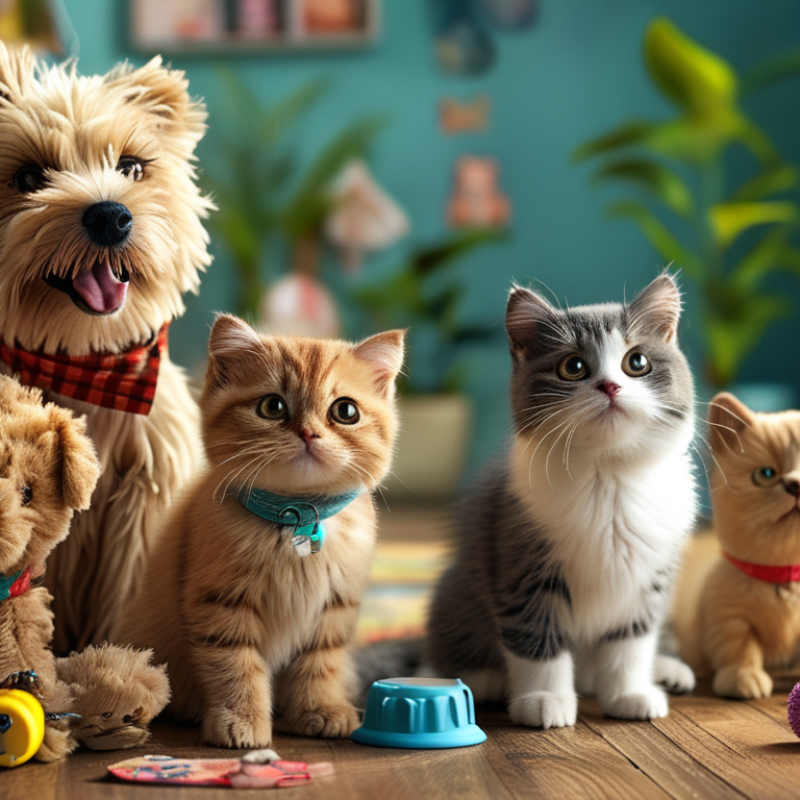
Toy-related injuries in pets can occur more often than many owners realize. According to the American Animal Hospital Association, around 20% of pet injuries reported in veterinary visits are due to toys. Common injuries include choking, cuts, and gastrointestinal obstructions. Choking arises when pets chew on small parts of toys that break off. This can lead to serious health complications.
Another significant risk is when pets ingest materials from toys. Reports indicate that 30% of such incidents require surgical intervention. Soft plush toys can cause cuts in the mouth or throat, especially if pets are overzealous chewers. A pet might also swallow stitching from stuffed animals, leading to blockages in the digestive tract. These scenarios underscore the need for careful toy selection.
Understanding the types of injuries can help mitigate risks. Choosing durable, non-toxic materials is essential. Not all toys are suitable for every pet. Owners should assess their pet's chewing habits and toy preferences. Some toys might be too small or too fragile for heavy chewers. Regularly inspecting toys for wear can prevent potential injuries. Awareness and proactive measures play crucial roles in ensuring pet safety.
Choosing safe materials for pet toys for preventing injuries is essential. Always look for non-toxic options. Toys made from natural rubber or organic cotton are great choices. These materials are generally safer for pets. Ensure that any paint or dye used is also pet-safe. Pay careful attention to the labels. They should specify no harmful chemicals.
Tips: Examine the toy for small parts. Loose pieces can easily be swallowed. Avoid toys with long strings or small attachments as they pose choking hazards. Check for any sharp edges that could injure your pet during play.
Consider your pet's size and chewing habits. Heavier chewers need sturdier toys. Some materials may not hold up well. Soft plush toys may not be ideal for strong jaws. Monitor your pet while they play. Even the safest toys can become hazardous if damaged. Regularly inspect toys for any signs of wear. Discard any that are breaking apart.
Choosing age-appropriate toys for your pets is crucial in preventing injuries. Different pets have different needs based on their age, size, and behavior. Puppies, for example, often nibble and chew. They require softer toys to protect their developing teeth. Older pets might need toys that are easier to grasp and manipulate. Their play styles are usually more relaxed, so think about their energy levels.
Consider the materials used in toys. Some pets chew aggressively, which can quickly damage lower-quality items. Opt for durable materials, but also ensure they are safe and non-toxic. A toy that breaks easily can lead to choking hazards. Be attentive to your pet's play habits. If a toy seems too stimulating or causes anxiety, it’s time for a change. Monitor your pets during playtime to spot any risks.
Additionally, keep in mind that toys can be a source of mental stimulation too. Interactive toys can encourage problem-solving skills. However, they should be appropriate for your pet's age. What suits a playful kitten may overwhelm an elderly dog. Regularly assess the condition of your pet’s toys, replacing any that show wear or damage. Striking a balance between fun and safety is key to keeping your furry friends happy and healthy.
Establishing proper supervision practices during playtime is crucial for preventing toy-related injuries in pets. According to the American Veterinary Medical Association, around 4.5 million pets are injured by toys every year in the U.S. Many of these incidents are avoidable with careful monitoring. Simply being present can reduce risks significantly. Not all toys are safe for every pet. It's essential to match toy size and material to your pet's breed and chewing habits.
While pet owners strive to provide engaging play experiences, they often underestimate risks. A report by the Pet Industry Joint Advisory Council highlighted that improper use of toys frequently leads to choking or ingestion hazards. Supervision allows owners to intervene swiftly. If a pet shows signs of distress, you can remove potentially harmful toys immediately.
Encouraging interactive play can foster a safer environment. Agility training or fetching games require close engagement, preventing accidents. Some pet owners struggle with the time commitment. Finding a balance between playtime and supervision can be challenging. Nonetheless, prioritizing safety measures is a vital step in ensuring your pet's well-being during play.
To ensure your pets stay safe while playing, regular maintenance of their toys is crucial. Start by inspecting toys for visible signs of wear. Check for frayed edges, loose parts, or exposed plastic. These can pose choking hazards or result in injuries. Each month, set aside time for a thorough toy assessment. Your pet's safety depends on it.
If you notice a toy shows significant wear, replace it immediately. It's easy to overlook small damage, but even minor flaws can lead to bigger issues. For example, a torn plush toy can lead to your pet ingesting harmful stuffing. Always consider the materials used in toys. Some are less durable and may not withstand rough play. Keeping your home filled with safe toys involves being proactive. Your pets rely on you to keep their playtime enjoyable and injury-free.
This chart illustrates the importance of regular inspection and replacement of worn-out toys to prevent injuries in pets. The data represents the percentage of pet owners who regularly check their pets' toys against those who do not.
: Age-appropriate toys prevent injuries and cater to pets' developmental needs.
Choose durable, non-toxic materials to avoid choking hazards and injuries.
Inspect toys at least once a month for signs of wear or damage.
If a toy seems too stimulating, replace it with something more suitable.
Supervision helps prevent toy-related injuries and allows for quick intervention if needed.
Frayed edges, loose parts, or visible damage suggest it's time for a replacement.
Yes, interactive toys stimulate mental skills but must match the pet's age and abilities.
Engage in play with your pet to maintain safety and foster a fun environment.
Minor flaws, like tears, can lead to choking from ingested materials.
Engage in supervised games like fetching or agility training to ensure safety.
In the article "How to Prevent Toy Related Injuries for Your Pets in 2026," key strategies are outlined to ensure the safety of pets during playtime. The discussion begins with an overview of common toy-related injuries that pets may encounter, emphasizing the importance of recognizing and mitigating these risks. One cornerstone of prevention is choosing safe materials for pet toys, which involves being mindful of what to look for to avoid harmful substances.
Additionally, the article highlights the necessity of selecting toys that are appropriate for your pet’s age and size, ensuring they can engage safely. Establishing supervision practices during playtime is crucial, as it allows pet owners to intervene in potential hazards promptly. Regular maintenance of toys, including inspecting and replacing worn-out items, further reduces the risk of injuries. Overall, this structured approach is essential for effectively addressing "How to Prevent Toy Related Pet Injuries" and keeping our furry companions safe.

Creative Pet Toys