How To Keep Your Pet Toys Clean and Safe for Pets?

Time:2026-05-11 Author:Amelia
0%

Keeping your pet toys clean and safe is crucial for their health and happiness. Dr. Emily Baker, a leading expert in animal hygiene, emphasizes the importance of "How To Maintain Pet Toy Hygiene." She advises, "Regular cleaning prevents bacteria from building up, reducing health risks."

Pet toys can harbor dirt, germs, and harmful bacteria. Toys may look clean, but unseen contaminants can linger. Pets often chew and slobber on their toys, making it essential to establish a cleaning routine. Consider washing rubber and plastic toys in warm soapy water. For fabric toys, machine washing can be effective.

Many pet owners overlook the need for frequent cleaning. It's easy to assume toys are clean if they appear so. However, without regular maintenance, they might pose health risks. Take a moment to evaluate your cleaning habits. Are you proactive in keeping your pets safe?
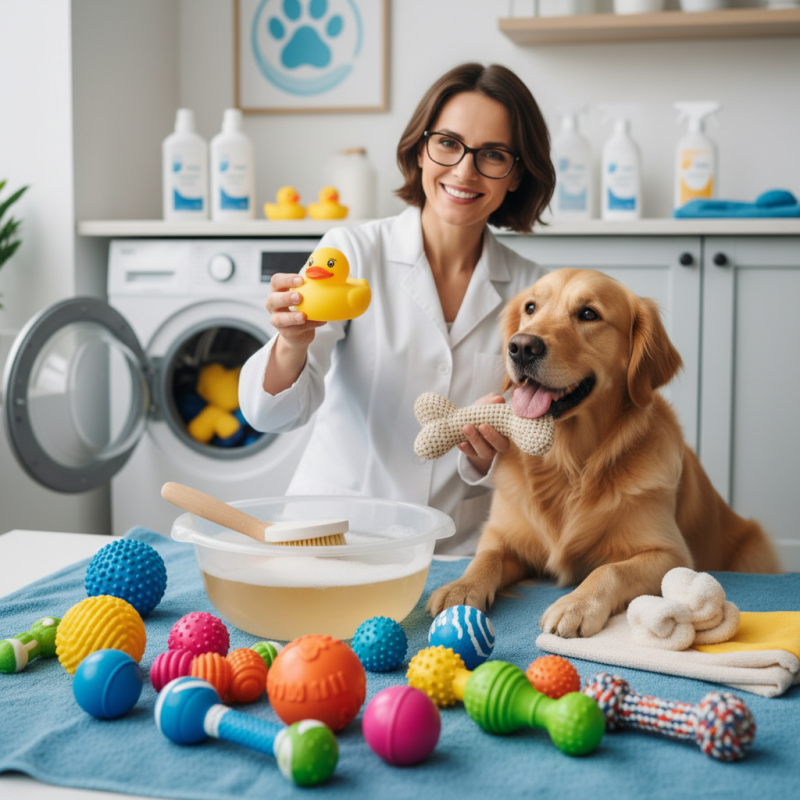
How To Keep Your Pet Toys Clean and Safe for Pets?

Choosing the Right Materials for Pet Toys: Safety First

When choosing materials for pet toys, prioritize safety. Look for non-toxic options that are durable and easy to clean. Natural rubber and organic cotton are excellent choices. These materials are safe and less likely to cause harm if your pet chews on them. A good toy should withstand rough play and not break into small parts that could be swallowed.

Pay attention to the texture of the toys as well. Soft toys may satisfy your pet's need to chew, but ensure they are free from harmful dyes. Check if the seams are secure to avoid any risk of injury. Reflect on your pet's play style. A toy that works for one pet may not suit another. Observe how your pet interacts with different materials over time.

Cleaning is essential too. Regularly wash toys with mild soap and water. This helps remove dirt and bacteria. Drying them properly is just as crucial. Mold and mildew can grow in damp areas. Ultimately, you should balance fun and safety. Keeping your pet's toys clean and safe demands attention. Never underestimate the importance of a well-maintained toy.

Regular Cleaning Routines for Different Types of Pet Toys

Maintaining cleanliness of pet toys is crucial for their health and safety. Regular cleaning routines should vary based on the toy materials. For rubber and vinyl toys, a simple mixture of warm water and mild soap can help remove dirt. Experts recommend cleaning these toys weekly to prevent bacterial growth. A survey by the American Pet Products Association shows that over 60% of pet owners neglect regular cleaning, potentially exposing pets to harmful germs.

Fabric toys require a different approach. Many can be machine-washed, but always check the care label. Washing on a gentle cycle with fragrance-free detergents is best. If the toy is not machine washable, spot-cleaning with vinegar and water can be effective. According to a study from the Journal of Veterinary Science, unwashed toys can harbor up to 80 different types of bacteria.

Hard plastic toys can accumulate grime and debris. A deep clean every month ensures safety. Soak them in a vinegar solution for about 10 minutes before rinsing. It's easy to overlook these cleaning routines. This negligence may lead to infections and health issues. Reflect on your cleaning habits for a healthier environment for your pets.

How To Keep Your Pet Toys Clean and Safe for Pets

This chart represents the frequency of cleaning routines recommended for different types of pet toys:

Effective Cleaning Methods: Natural and Safe Solutions

Keeping pet toys clean is crucial for your furry friends' health. Over time, toys can accumulate bacteria, dirt, and grime. Regular cleaning helps prevent illnesses and keeps toys safe.

Natural and safe cleaning solutions are effective and easy to find. A mixture of water and vinegar works wonders. Just soak the toys for about 10-15 minutes. Rinse well afterward to eliminate any vinegar smell. Baking soda can also be used for tough stains. Sprinkle it on the toy, scrub gently, and rinse. These methods ensure safety without harmful chemicals.

It’s not always perfect. Some toys may not clean completely, and there might be lingering odors. Experiment with various methods. You might need to try multiple times for the best results. Monitor your pets’ reactions to clean toys. Their behavior can signal if your cleaning efforts are effective. Finding the right balance takes time and patience.

Inspecting and Repairing Toys to Ensure Pet Safety

Inspecting and repairing pet toys is crucial for ensuring safety. According to the American Society for the Prevention of Cruelty to Animals (ASPCA), around 10% of pet injuries stem from faulty toys. Regular checks can prevent these accidents. Look for loose parts, cracks, or frayed edges. Even minor damage may pose a choking hazard, especially for small pets.


Tips: Regular inspections should happen at least once a month. Always evaluate toys after play sessions. If you find any damage, consider repairing or discarding the toy. It’s often cheaper to replace a toy than to face potential vet bills due to injuries.


When repairing toys, do not use strong adhesives or materials that can be harmful if ingested. Pets often chew and lick their toys. Ensure that any repairs do not create new hazards. Fluffy toys may need a patch-up, but providing a safe play environment is more important.


Tips: Consider sewing up holes rather than using glue.

Monitor how your pets interact with repaired toys. Adjust or remove them if any new risks arise. The goal is to maintain a safe and enjoyable playtime for your pets.

Storage Tips for Keeping Pet Toys Clean and Accessible

When it comes to pet toys, cleanliness is key. Storing them properly ensures easy access while keeping them germ-free. Use labeled bins or baskets to separate toys by type. This makes finding a specific toy quick and hassle-free. Proper organization can help reduce clutter around your home.

Consider washing toys regularly. Some can go in the dishwasher, while others need a gentle hand wash. Always check material labels for washing instructions. A quick rinse can eliminate dirt and germs, enhancing your pet’s health. Additionally, keep an eye out for wear and tear. Torn toys can pose choking hazards.

Think about where you store toys. Choose a cool, dry place. Avoid humid areas that can promote mold growth. Revisit your storage system periodically. It’s easy to forget about toys tucked away. Regularly sorting through can bring back favorites your pet has forgotten. Cleaning and organizing can be an ongoing task, but it’s essential for your pet’s safety and enjoyment.

How To Keep Your Pet Toys Clean and Safe for Pets? - Storage Tips for Keeping Pet Toys Clean and Accessible

Toy Type Material Cleaning Method Storage Recommendation Frequency of Cleaning
Plush Toys Fabric Machine wash on gentle cycle Store in a canvas bag Every 2 weeks
Rubber Toys Rubber Wash with warm soapy water Hang in a basket Once a week
Rope Toys Cotton Boil in water or machine wash Store in an open bin After every use
Hard Toys Plastic Wipe with disinfectant Keep in a toy box Monthly
Interactive Toys Various Follow manufacturer instructions Use a designated shelf As needed

FAQS

: Why is it important to clean pet toys?

: Cleaning pet toys is crucial to prevent bacteria, dirt, and grime from accumulating. This helps protect your pet's health.

What natural solutions can I use to clean pet toys?

A mixture of water and vinegar is effective. Baking soda can also tackle tough stains.

How long should I soak pet toys in vinegar solution?

Soak the toys for about 10 to 15 minutes, then rinse well to remove the vinegar smell.

What if some stains or odors remain after cleaning?

It's common for some toys to not clean completely. You may need to try different methods or clean multiple times.

How should I store pet toys for easy access?

Use labeled bins or baskets to separate toys by type. This keeps them organized and easily accessible.

Can I wash all types of pet toys in the dishwasher?

Not all toys are dishwasher safe. Always check the material labels for specific washing instructions.

Where is the best place to store pet toys?

Store toys in a cool, dry place to prevent mold growth. Avoid humid areas for better longevity.

How can I tell if my cleaning methods are effective?

Monitor your pet's reactions to cleaned toys. Changes in behavior might indicate how successful your cleaning is.

What should I do about worn or torn toys?

Regularly check for wear and tear. Torn toys can be choking hazards and should be discarded.

Is it necessary to periodically sort through stored toys?

Yes, revisiting your storage system helps find forgotten favorites and aids in organization.

Conclusion

Keeping pet toys clean and safe is essential for maintaining the health and happiness of your furry friends. In the article "How To Keep Your Pet Toys Clean and Safe for Pets?", readers are guided through critical aspects of pet toy hygiene. It begins by emphasizing the importance of choosing the right materials for pet toys, ensuring they are safe for pets. Establishing regular cleaning routines tailored to different types of toys helps in preventing the buildup of harmful bacteria and allergens.

Additionally, the article discusses effective cleaning methods using natural and safe solutions, making the process easy and effective. Inspecting and repairing toys regularly ensures they remain safe for playtime, while proper storage tips are provided to keep toys clean and accessible. Overall, this article offers valuable insights on How To Maintain Pet Toy Hygiene, helping pet owners create a safe and enjoyable environment for their pets.

Amelia

Amelia

Amelia is a seasoned marketing professional with a wealth of expertise in our company’s core offerings. With an unwavering passion for driving growth and innovation, she plays a pivotal role in shaping our marketing strategies and enhancing brand visibility. A key aspect of her responsibilities......