When it comes to keeping our pets happy, toys play a crucial role. However, toys can wear out quickly. Understanding how to care for them can enhance their longevity. This is essential for both the pet's enjoyment and our wallet.
In this guide, we will explore effective tips for extending pet toy lifespan. These practical suggestions are rooted in experience and expertise. We aim to help pet owners choose durable options and maintain their toys effectively. Simple changes can make a significant difference in how long toys last.
Your commitment to your pet's well-being is commendable. But, not every toy is designed to endure rough play. Reflecting on your pet's habits can guide you toward smarter choices. The right care can lead to longer-lasting fun for your furry friend.
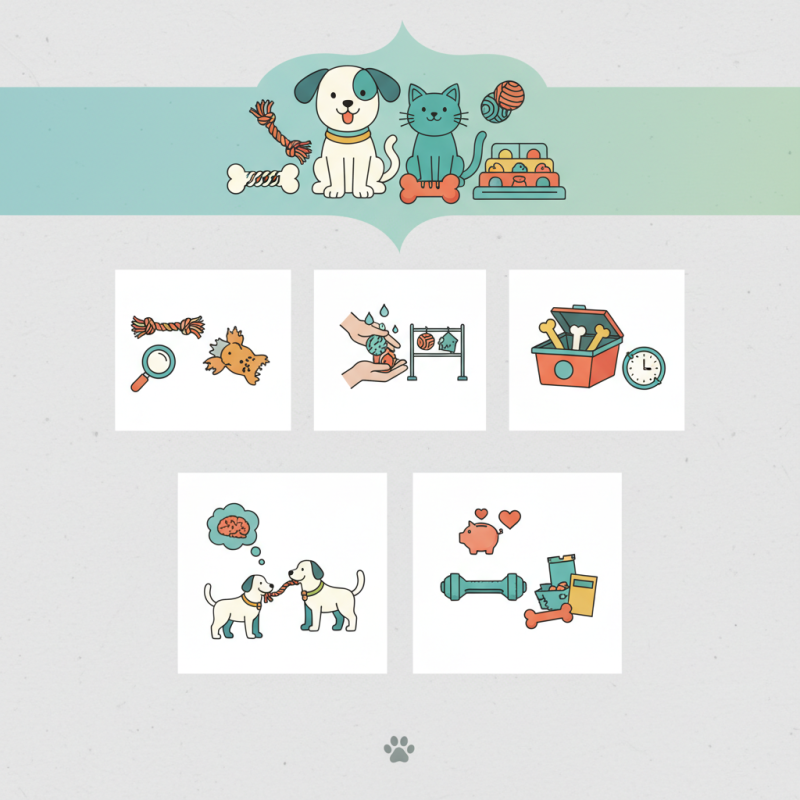
When choosing pet toys, materials and design play a vital role in durability. Natural rubber, for instance, offers flexibility and resilience. It withstands chewing well and can entertain your pet longer. On the other hand, cheap plastic toys may break easily, posing a risk to your pet.
It’s essential to consider the design features. Toys with reinforced stitching are often sturdier. A toy that can withstand tugging and pulling lasts much longer. Many dogs chew toys excessively, leading to wear and tear. While some toys claim to be indestructible, few truly are.
Reflecting on my experiences, I’ve noticed how quickly certain toys can degrade. One chewable I bought lasted a weekend. The bright colors may attract pets, but the longevity tends to be disappointing. Observing your pet's play style can help guide your choices. It’s crucial to assess which toys withstand daily roughhousing. Prioritizing durability ensures more enjoyable playtime sessions.
Maintaining hygiene for pet toys is crucial for enhancing their longevity. Regular cleaning not only minimizes wear but also ensures the safety of your pets. A report from the American Pet Products Association indicates that pet owners spent over $100 billion on pet supplies in 2021, highlighting the importance of investing in durable toys. Keeping these toys clean can significantly extend their lifespan, ultimately benefiting both pets and owners.
To clean toys effectively, start by checking the materials. Soft toys can often be machine washed, while rubber and plastic items may need hand washing with warm, soapy water. According to a study by the Journal of Animal Science, bacteria can thrive on toys left uncleaned for weeks. Regular cleaning helps to reduce this risk and prevents unpleasant odors. Aim for a routine cleaning schedule; weekly washings can keep toys sanitary and safe for playtime.
Observe how your pets interact with their toys. If they show signs of wear or damage, it’s a cue to replace or repair them accordingly. A toy that’s losing its color or shape could be less engaging for your pet, affecting their play experience. While the initial investment in quality toys is essential, proper care can stretch that investment. Reflecting on how often you clean pet toys can lead to better hygiene practices and ultimately, prolonged enjoyment for your furry friends.
Proper storage techniques play a vital role in extending the lifespan of pet toys. Toys can easily fall victim to environmental factors like sunlight and humidity. According to the American Pet Products Association, nearly 70% of pet owners report toy damage due to improper storage. This statistic highlights the importance of creating a designated storage space for pet toys. Instead of leaving them out in the open, consider using a closed container. This simple step can significantly reduce exposure to harmful elements.
Temperature fluctuations can also impact toy durability. For instance, storing rubber toys in freezing conditions can lead to cracking. Pet owners should aim for a temperature-controlled environment. Ideally, toys should be kept in a dry, cool place. Regular inspection is crucial. Look for signs of wear and tear, such as frayed edges or cracks. Disposing of damaged toys promptly can help prevent accidents and injuries.
Even with the best storage practices, some toys may still show wear over time. It's essential to reassess your pet's toy collection regularly. A well-maintained toy can provide lasting comfort and engagement for pets. According to a study conducted by the Veterinary Behaviorists, pets with interactive toys show 30% less behavioral problems than those without. This emphasizes the need for both quality and care in pet toys.
Regular inspections of your pet's toys play a crucial role in safety and longevity. According to the American Pet Products Association, about 60% of pet owners replace toys due to wear and tear. Taking time to inspect your pet’s toys can prevent accidents and unnecessary expenses. Look for frayed edges, discoloration, or broken parts. These signs often indicate it's time for a replacement.
Here are some tips to maximize toy lifespan. Rinse toys regularly to remove dirt and bacteria. Introduce rotating options to avoid daily wear. Store them in a dry place, away from chew marks or moisture. Examine squeakers and other components for damage. Consider using a soft brush to clean fabric toys.
Most pets don't recognize wear and tear until it’s too late. Some toys may appear intact but harbor hidden risks. Take a closer look at rubber and plastic toys as well; they can crack or break without noticeable signs. Keeping your pet’s toys safe is a reflection of your commitment to their well-being.
| Tip | Description | Frequency of Inspection | Signs of Wear and Tear |
|---|---|---|---|
| Regular Inspections | Check toys for visible damage or fraying. | Weekly | Frayed edges, loose parts, or discoloration |
| Cleaning | Wash toys regularly to remove dirt and bacteria. | Monthly | Stains or bad odors |
| Rotate Toys | Switch toys regularly to avoid overuse and boredom. | As Needed | Disinterest or decreased play |
| Repair Instead of Discard | Sew or fix minor damages to prolong use. | As Needed | Visible tears or slight disrepair |
| Storage | Store toys properly to reduce wear when not in use. | Always | Deformation or damage from environmental factors |
Rotating your pet's toys can significantly boost their interest. Dogs and cats thrive on novelty. When toys are frequently introduced, they seem new and exciting. A simple rotation can keep playtime engaging for longer.
Consider storing a selection of toys while regularly changing what is available. This practice not only preserves the toys but can prevent boredom. Many pets lose interest in a single toy after a few days. By putting some away, you allow them to rediscover favorites.
It’s easy to get comfortable with a routine. However, assessing how your pet reacts to toy rotations is key. Are they truly engaged? Do they play longer with rotated toys? This reflection can help improve the enjoyment and longevity of their play items. It’s important to remain flexible and adapt to their changing preferences for lasting fun.
: Natural rubber is ideal. It offers flexibility, resilience, and withstands chewing well.
Toys with reinforced stitching tend to be sturdier. They handle tugging and pulling better.
Regular cleaning with appropriate methods is key. Machine wash soft toys; hand wash rubber and plastic.
Cleaning toys minimizes wear and prevents bacteria buildup. It ensures safety for your pets.
A weekly cleaning routine is recommended. This keeps the toys sanitary and safe for use.
Bacteria can thrive on dirty toys, posing health risks. Your pets may also experience unpleasant odors.
Rotating toys is effective. Frequent changes keep playtime fresh and engaging for your pet.
If toys lose color or shape, consider replacing or repairing them. It affects their play interest.
Observe your pet’s engagement. Are they playing longer or showing excitement with switched toys?
Many get comfortable with routines. This can reduce interest and enjoyment for pets over time.
In the article "Top Tips to Extend Your Pet Toy Lifespan for Lasting Fun," several crucial strategies are outlined to help pet owners maximize the lifespan of their furry friends' toys. Understanding the durability factors of materials and design can greatly influence how long a toy lasts. Regular cleaning is essential for maintaining hygiene, while proper storage techniques can protect toys from environmental damage. Additionally, conducting regular inspections enables pet owners to identify wear and tear early, ensuring safety during playtime.
To keep things engaging, rotating toys provides variety and sustains pets' interest, ultimately enhancing the longevity of the toys. By following these essential tips for extending pet toy lifespan, pet owners can ensure their pets enjoy safe and fun play experiences for an extended period, while also making the most out of their investments in pet entertainment.

Creative Pet Toys