Encouraging your pet to engage in independent play can greatly benefit both you and your furry friend. According to Dr. Emily Parker, a noted animal behaviorist, "Independent play helps pets develop confidence and reduces anxiety." Understanding how to implement this can transform your pet's playtime.
In today's busy world, pets can often become overly reliant on their owners for entertainment. This can lead to stress and behavioral issues. Providing opportunities for independent play can break this cycle. Start by introducing toys that stimulate curiosity. Enrichment activities, like puzzle feeders or interactive toys, can promote solo exploration.
However, it is important to monitor your pet's reactions. Occasionally, pets may struggle with self-directed play. They may become frustrated or withdraw. Reflecting on their preferences is essential. Not every method works for every pet. Discover what truly captivates your pet's interest. This thoughtful approach is key to mastering how to encourage independent pet play.
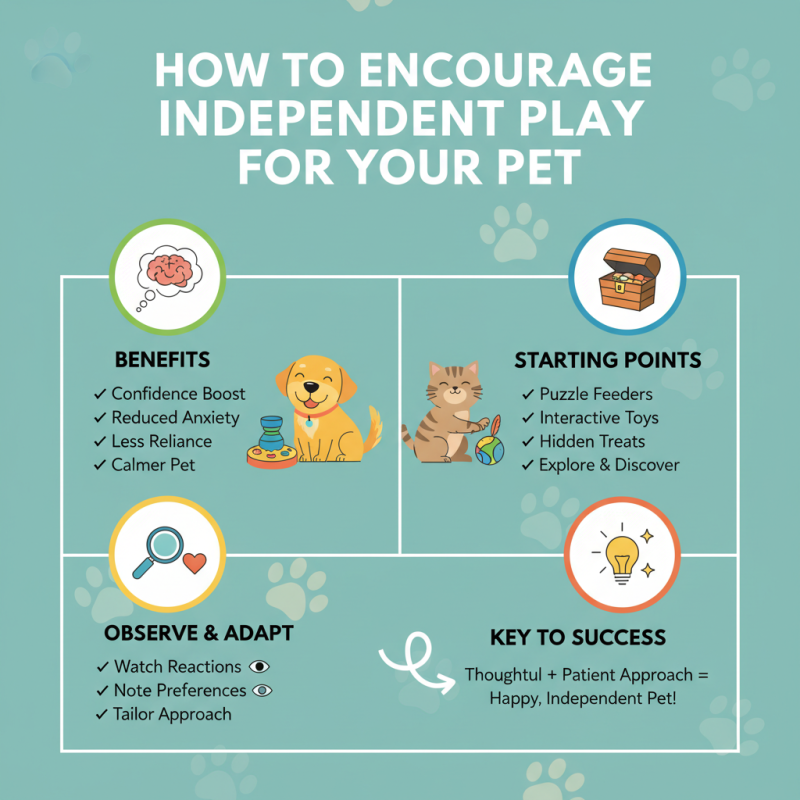
Independent play is crucial for pets, offering them mental stimulation and enhancing their problem-solving skills. According to a study by the Animal Behavior Society, pets that engage in independent play exhibit less anxiety and improved adaptability in various environments. This type of play encourages creativity, allowing pets to explore and interact with their surroundings without relying solely on human interaction.
Moreover, independent play can maintain a pet's physical health. A report from the American Veterinary Medical Association suggests that pets who play alone regularly are 30% less likely to develop obesity-related issues. The act of playing encourages movement and agility. Nonetheless, not all pets may naturally adapt to independent play, indicating the necessity for gradual encouragement and observation.
While fostering independent play, owners may notice their pets displaying frustration or confusion initially. These moments can be teaching opportunities. Understanding your pet's cues is vital. The journey might not be perfect, but it can lead to a more confident and resilient companion.
Choosing the right toys is crucial for encouraging independent play in pets. Studies indicate that pets who engage in independent play develop better problem-solving skills and overall wellbeing. A survey by the American Pet Products Association found that 70% of pet owners believe interactive toys keep their pets mentally stimulated.
When selecting toys, consider your pet’s size and preferences. Soft toys can soothe anxious pets, while puzzle toys challenge their intelligence. The right toy can prevent boredom, but not all pets respond the same way. Some pets might ignore a toy that others adore. Experimenting with various textures and shapes will help find what captivates your pet.
Quality matters as well. Choose durable materials to withstand rough play. An online report from the Animal Welfare Institute suggested that poorly made toys could pose choking hazards. Regular inspection of toys is also essential. A worn-out toy may no longer engage your pet, sometimes leading to destructive behavior. Stay observant and ready to switch things up to maintain your pet’s interest.
Creating a safe and engaging play environment for your pet is crucial. Start by assessing your space. Ensure there are no hazards like sharp objects or toxic plants. A clean area helps your pet explore freely. Consider adding climbing structures or tunnels to stimulate curiosity. Your pet will thrive in a dynamic space.
**Tips:** Use soft, washable materials for play zones. This helps maintain hygiene. Regularly rotate toys to keep your pet’s interest alive. Enrichment activities like puzzle feeders challenge their minds.
Implement boundaries to ensure safety while they play. Supervise your pet during playtime, especially if they are in a new environment. Observe how they interact with their toys. This helps you understand their preferences. Not every setup will work perfectly. Learning from mistakes is part of the process. Pay attention to their reactions to enhance their play experience.
This chart illustrates the engagement metrics for encouraging independent play in pets. The data represents the average time spent playing, the variety of toys available, and the balance of outdoor versus indoor play. By analyzing these factors, pet owners can create a safe and engaging play environment for their pets.
Setting boundaries is crucial for encouraging self-directed play in pets. Start by creating a safe space where your pet can explore freely. Limit distractions, such as excessive noise or other pets. This space can be a cozy area filled with toys and comfortable bedding. Without distractions, your pet will feel more confident to engage in independent play.
Tips: Use engaging toys that promote problem-solving. Puzzle toys or treat dispensers can stimulate your pet's instincts. Monitor their playtime. Short sessions may lead to better focus and creativity. Keep an eye on your pet's behavior. If they seem frustrated, it might be time to rotate their toys or introduce new ones.
Allow your pet some alone time during play. This approach encourages them to develop their ideas. However, be ready to step in when needed. Sometimes, pets may need guidance to find their rhythm. Observing them can reveal what truly captures their interest. Adjust boundaries based on your pet's personality and preferences for a more balanced playtime.
Monitoring your pet’s progress during independent play is crucial for ensuring their development and well-being. A recent study revealed that pets engaging in independent play exhibit increased confidence and problem-solving skills. These activities allow pets to explore their environment freely. However, it's important to observe their behavior closely. Watch for signs of frustration or boredom, as these can indicate that the activity needs adjusting.
Tips: Start with a few engaging toys. Rotate them to maintain interest. If your pet seems unenthusiastic, consider introducing a new texture or scent to stimulate curiosity. Regular check-ins on their play behavior are vital. If a pet struggles, it might be time to simplify the activity or offer more guidance.
Not all pets will thrive in isolation. Some may become anxious or withdrawn. If your pet is displaying these behaviors, reflecting on their social needs can help. Gradually increase the challenge of activities as your pet grows more comfortable. This tailored approach ensures their independent play remains enriching and enjoyable. The goal is to foster confidence while being aware of their limits.
| Monitoring Activity | Time Spent (minutes) | Type of Activity | Pet's Reaction | Adjustment Suggestions |
|---|---|---|---|---|
| Fetching Ball | 15 | Physical | Excited | Increase duration to 20 minutes. |
| Puzzle Toys | 30 | Mental | Engaged | Introduce more complex puzzles. |
| Hide and Seek | 10 | Interactive | Curious | Increase hiding spots. |
| Chasing Laser | 20 | Physical | Hyperactive | Limit to 15 minutes to reduce frustration. |
: Boundaries create safe spaces, allowing pets to explore freely and engage confidently in play.
Designate a cozy area with toys and soft bedding, minimizing distractions from noise or other pets.
Engaging toys like puzzle toys or treat dispensers stimulate your pet’s instincts and encourage problem-solving.
Regular check-ins are crucial. Observe behavior to adjust play activities and avoid frustration or boredom.
If frustration arises, consider rotating toys or introducing new textures or scents to rekindle their interest.
Not all pets thrive in isolation. Some may become anxious. Reflect on their social needs and provide support.
Gradually increase the challenge of activities, ensuring play remains enriching while respecting your pet's limits.
Look for signs of boredom or lack of enthusiasm. This may suggest it's time to introduce something new.
Yes, sometimes pets need guidance. Observing them can help identify when to intervene and support their play.
In the article "How To Encourage Independent Play For Your Pet," it is emphasized that independent play can significantly benefit pets by enhancing their mental stimulation and reducing anxiety. Understanding the importance of fostering this type of play is key, as it allows pets to explore their creativity and engage with their environment.
To effectively encourage independent pet play, selecting the right toys that can capture their interest and promote self-directed activities is essential. Additionally, creating a safe and engaging play environment, setting clear boundaries, and monitoring your pet's progress will help ensure they feel secure while exploring on their own. By adjusting activities based on their individual needs and preferences, pet owners can cultivate a fulfilling independent play experience that contributes to their pet's overall well-being.
Creative Pet Toys