Encouraging active play for pets is essential for their health and happiness. According to Dr. Sarah Jones, a veterinary behaviorist, “Active play keeps our pets mentally sharp and physically fit.” Understanding how to engage your pets in play is crucial. It not only stimulates them physically but also promotes emotional well-being.
Many pet owners may struggle to find effective methods for playtime. A lack of space, busy schedules, or limited ideas can hinder play initiatives. Consider this: does your pet seem uninterested in toys or games? Reflect on their needs and preferences. Some pets thrive on interactive toys, while others might enjoy simple activities like fetch or hide-and-seek.
As we explore how to encourage active play for pets, staying informed about the latest recommendations can enhance your pet’s lifestyle. It’s not just about buying toys; it’s about creating an engaging environment. Experiment with different activities, and don’t be afraid to adjust based on your pet's reactions and energy levels. The journey can be a learning experience for both you and your furry friend.
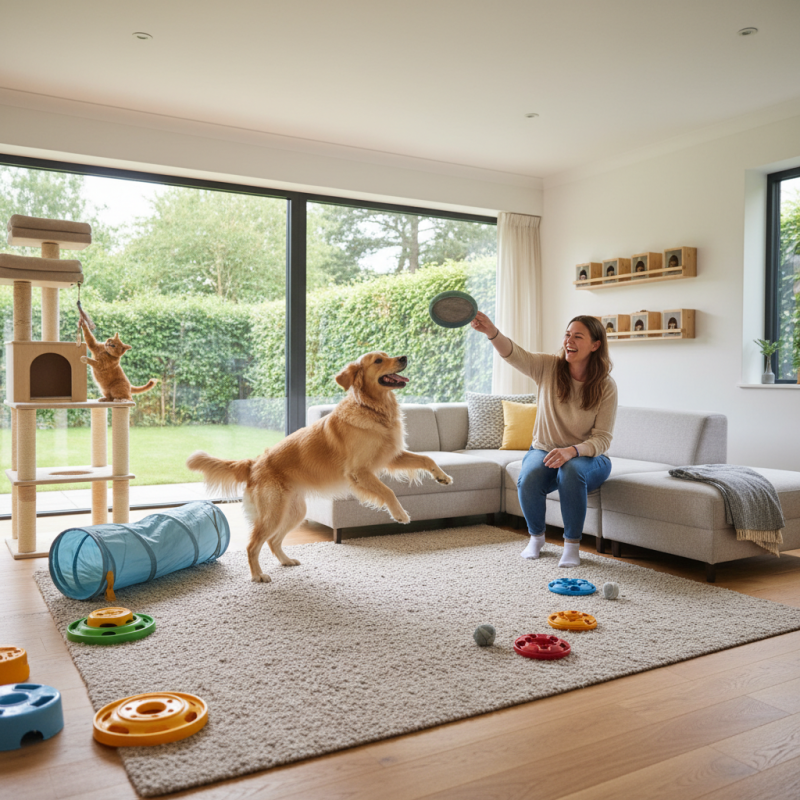
Active play is crucial for pets. It helps maintain their physical health and mental well-being. Pets need exercise to prevent obesity and other health issues. Regular playtime stimulates their minds and alleviates boredom. Engaging in activities like fetch or hide-and-seek can bring joy to their daily routine.
Understanding how play impacts pets is essential. It strengthens the bond between pets and owners. Play can also reduce anxiety and destructive behavior. However, many pet owners overlook the importance of this interaction. Sometimes, we get distracted by our tasks and forget to engage with our pets. This can lead to restlessness in pets. They may display disruptive actions or withdraw emotionally.
Creating an environment that encourages active play is key. Designate a play area in your home with toys. Rotate toys regularly to keep the excitement alive. Incorporate different activities each week to maintain their interest. Remember, it’s about quality time and connection. Active play is not just physical; it’s about emotional engagement too. Reflect on your pet's needs and make the effort to play regularly.
Creating a safe and fun environment for pet playtime is essential for their physical and mental health. According to the American Veterinary Medical Association, about 60% of pets are overweight or obese due to a lack of exercise. This statistic highlights the importance of encouraging active play at home.
One effective way to foster an engaging playtime environment is by using natural materials. For example, cardboard boxes and crumpled paper can stimulate a pet's curiosity. These items not only provide entertainment but also encourage problem-solving. Ensure these materials are safe and free from harmful chemicals.
Tips: Always supervise your pet while they play. Remove any small parts that could pose a choking hazard. Additionally, keep play areas tidy to avoid accidents. You might need to experiment with different toys to find what engages your pet most. Remember, it’s about their enjoyment. Sometimes, pets can be indifferent, so be patient and observant.
Interactive playtime, such as hiding treats around the house, can also enhance their senses. The Association of Pet Obesity Prevention finds that regular play can reduce anxiety and improve overall behavior. It's yet another way to show how a safe environment can lead to better health outcomes for your furry friends.
This chart illustrates the average time pets spend on various types of play activities at home. Encouraging active play is essential for a pet's well-being, and fitting these activities into their daily routine can help maintain their physical and mental health.
Choosing the right toys for your pets can significantly enhance their playtime at home. Different animals have distinct needs. For instance, dogs often enjoy toys they can chew, fetch, or tug.
Look for sturdy, textured materials that can withstand their powerful jaws. Balls and ropes work well, but always supervise playtime.
Cats, on the other hand, are often more playful with smaller, interactive toys. Wand toys can stimulate their hunting instincts. Feathered or laser toys can also engage them in active play.
Cats tend to get bored quickly, so rotating toys can keep their interest alive.
Consider the individual preferences of your pet. Some may enjoy plush toys while others may prefer hard, resilient ones. It might take time to identify what excites your pet. Don’t be afraid to experiment. However, always prioritize safety. Avoid small parts that could be swallowed. Your pet's enjoyment should come from safe and engaging play experiences.
Creating a regular exercise routine for pets is crucial for their health. Daily playtime helps improve their physical fitness. Start by setting aside specific times each day. Consistency is key. Dogs, in particular, thrive on a schedule. Cats benefit too, even if they seem less active.
Incorporate short play sessions throughout the day. Use simple toys or homemade ones. Toss a ball or wave a string for your cat. It doesn't have to be complex. Aim for at least 30 minutes of active play daily. Monitor your pet's reactions. Some may need more encouragement, especially if they are shy.
Lastly, make adjustments as needed. Every pet is unique. Reflect on what works for yours. If they lose interest, try new toys or activities. Be flexible in your routine. Engaging them actively fosters a bond. Not all pets will readily engage, and that's okay. Just keep trying different approaches.
Engaging your pets in interactive activities is essential for their mental well-being. Simple games can stimulate their minds and keep boredom at bay. For instance, puzzle toys are a great way for pets to think critically while having fun. Hide treats inside and watch as they pawsingly work to uncover the goodies. This can provide hours of entertainment and strengthen your bond.
Another enjoyable activity is teaching them new tricks. Use positive reinforcement to encourage learning. Whether it's rolling over or playing dead, the process can be fun for both of you. Be prepared for mistakes; patience is key. Sometimes they might not get it right away, and that’s okay. Celebrate the small wins.
Incorporating playtime into your daily routine can transform your pet's mood. Engaging activities not only provide mental stimulation but also improve physical health. You might notice them becoming more energized and eager to interact. Every pet is different, so it's important to observe what they enjoy most. This approach can create a happy, engaged companion while nurturing their instincts.
: Active play maintains pets' physical health and mental well-being. It prevents obesity and other health issues.
Play strengthens the bond between pets and their owners. It enhances emotional engagement and connection.
Neglecting interaction can lead to pets feeling restless. They may display disruptive behavior or emotionally withdraw.
Designate a play area with toys. Rotate them to keep the excitement alive and maintain their interest.
Dogs enjoy chewable, fetchable, or tug toys. Look for sturdy materials that withstand their powerful jaws.
Cats often prefer smaller, interactive toys. Wand toys and feathered items can stimulate their hunting instincts.
Observe your pet's reactions to different toys. Experiment, but always prioritize safety to avoid swallowing hazards.
Aim for regular playtime. Reflect on your pet's needs to ensure emotional engagement and mental stimulation.
Activities like fetch, hide-and-seek, or interactive toys can bring joy to your pet’s routine.
Rotating toys keeps their interest alive. Pets can get bored quickly, so variety enhances engagement in play.
Active play is essential for pets as it contributes to their physical health and mental well-being. To encourage active play for pets at home, it is important to create a safe and engaging environment that stimulates their natural instincts. By choosing appropriate toys tailored to different types of pets, owners can enhance the play experience. Additionally, incorporating regular exercise routines into daily life will help ensure that pets receive the activity they need to remain healthy and happy.
Engaging in interactive activities, such as playing fetch or hide-and-seek, can provide both mental stimulation and physical exercise. These activities not only facilitate bonding between pets and their owners but also keep pets entertained. Ultimately, understanding how to encourage active play for pets is key to fostering a fulfilling and healthy lifestyle for our furry companions.

Creative Pet Toys