Pets, like humans, can experience anxiety. This can stem from a variety of factors, including loud noises, changes in their environment, or separation from their owners. Understanding how to reduce pet anxiety through play can transform their daily lives. Engaging your pet through play not only strengthens your bond but also offers them a way to release pent-up energy.
Play is a key tool for managing anxiety. When pets engage in playful activities, they find comfort and distraction. Simple toys or interactive games can provide mental stimulation and physical exercise. Observing how your pet responds to different forms of play can offer insights into their specific needs and preferences. For example, some pets may prefer fetching a ball, while others might enjoy tug-of-war.
Consider incorporating routine playtime into your pet’s day. Consistency helps them feel secure. Also, don’t hesitate to adjust activities based on their reactions. Sometimes, pets may need time to adapt. Remember, the goal is to alleviate anxiety while ensuring enjoyable experiences. With patience and creativity, you'll find effective methods to ease your pet's stress.
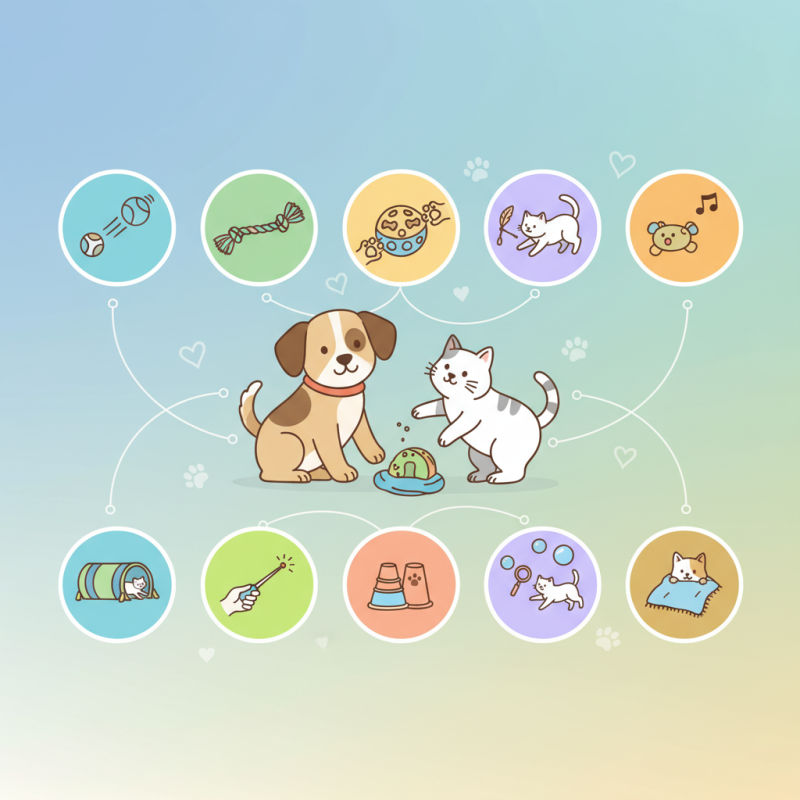
Pet anxiety can significantly impact the well-being of our furry friends. According to the American Veterinary Medical Association, over 50% of pets experience anxiety at some point. Common triggers include loud noises, separation from owners, and changes in their environment. Understanding these factors helps in addressing such anxiety effectively.
Creating a safe space is essential. Your pet needs a cozy corner with familiar toys and blankets. This space provides comfort when they feel scared. Incorporate short play sessions to distract them from stressors. Activities like fetch or puzzle toys can stimulate their mind and reduce anxiety.
Routine is crucial. Pets thrive on predictability. Establish a daily schedule for meals, exercise, and playtime. This consistency helps alleviate anxiety. However, don’t be discouraged if you don’t see immediate results. It takes time for some pets to adjust. Monitor their behavior closely. Each step, no matter how small, counts toward their comfort.
Choosing the right toys for your anxious pet can significantly impact their emotional well-being. Many pets experience anxiety during loud noises, new environments, or separation. Selecting stimulating and comforting toys can help ease these fears. Focus on textures and sounds that mimic comforting environments or soothing experiences.
When choosing toys, consider interactive puzzle toys. They provide mental stimulation and can distract your pet from anxiety triggers. Look for options that encourage problem-solving. These toys can keep your pet engaged and focused, helping reduce stress. Rotating toys regularly keeps the play experience fresh and exciting.
Soft toys with comforting scents can also be beneficial. They provide a sense of security, especially during stressful moments. It’s crucial to observe how your pet interacts with different toys. Some may prefer chew toys while others gravitate towards plush toys. Each pet is unique, and their preferences will guide your choices. Remember, it’s essential to allow your pet to explore their options and reflect on what makes them feel most at ease.
| Method | Recommended Toy Type | Effectiveness Rating (1-10) | Best For |
|---|---|---|---|
| Interactive Playtime | Puzzle toys | 9 | High energy dogs |
| Regular Exercise | Fetch balls | 8 | Active pets |
| Sensory Toys | Textured toys | 7 | Nervous pets |
| Calm Environment | Soft toys | 6 | Shy pets |
| Routine Play | Rope toys | 8 | All pets |
| Social Playdates | Tug-of-war toys | 9 | Social dogs |
| Training Games | Treat-dispensing toys | 10 | Intelligent pets |
| Scent Games | Snuffle mats | 9 | All pets |
| Water Play | Floating toys | 7 | Water-loving pets |
| Calm Music | Music players | 6 | All pets |
Interactive play is vital for easing pet anxiety. Engaging both their minds and bodies can significantly reduce stress levels. Studies show that animals involved in interactive play report fewer signs of anxiety and improved emotional well-being. Pets thrive on mental stimulation and physical activity, which can lead to a healthier, happier life.
Tips: Incorporate puzzle toys that challenge your pet’s mind. These toys can keep your pet engaged for longer periods. Rotate toys every few weeks to keep their interest fresh.
Additionally, social play with other animals or humans fosters companionship. Research indicates that pets who socialize regularly exhibit more relaxed behaviors. However, not all pets enjoy the same types of play. It’s essential to recognize your pet’s preferences and comfort levels.
Tips: Observe your pet during playtime. Notice their reactions to different activities. Adjust your approach if they seem overwhelmed or uninterested. Play should always be a positive experience, not a chore.
Implementing a routine playtime for pets can significantly reduce their anxiety. Consistent activities create a sense of stability and security. Most pets thrive on routine, understanding when to expect play. Designate specific times each day for interactive sessions. This predictability can ease your pet’s stress.
Engaging in various types of play can deepen your bond. Consider fetch, tug-of-war, or puzzle toys to stimulate their minds. Each session should be about 15 to 30 minutes. Observe your pet’s reactions. Some may enjoy vigorous play while others prefer gentler interactions. It’s essential to pay attention to their preferences. It’s normal to feel unsure about what they enjoy most.
Playtime isn’t just beneficial for pets. It can relieve stress for you too. However, scheduling can be challenging when life gets busy. Remember to be flexible. If a day is missed, don’t stress. Just get back to it the next day. The bond formed during playtime often outweighs the occasional missed session. Celebrate those small moments together.
Creating a safe and comfortable play environment is crucial for easing pet anxiety. Start by ensuring the play area is secure. Remove sharp objects and hazards. Provide a cozy space with soft bedding. Using familiar items like favorite toys can help pets feel relaxed. Familiar scents and toys create a sense of security.
Consider the size of the play area. It shouldn’t be too cramped or overly spacious. A balanced space helps pets feel more at ease. Additionally, the presence of soothing music or nature sounds can enhance the atmosphere. Close windows to minimize outside noise.
Monitor your pet's behavior during playtime. Some pets may not engage right away. They might appear hesitant. This can be a sign of anxiety. Be patient and allow them to adjust. Engaging in gentle play can strengthen your bond. Explore different activities to see what your pet enjoys most. Using varied play styles can also help reduce anxiety over time.
: Loud noises, separation from owners, and changes in their environment often trigger anxiety in pets.
Provide a cozy corner with familiar toys and blankets. This space offers comfort when they feel scared.
Predictability helps pets thrive. A daily schedule for meals, exercise, and playtime can alleviate anxiety.
Look for stimulating and comforting toys. Interactive puzzle toys distract pets from anxiety triggers.
Ensure a secure area free of hazards. Use familiar toys and soft bedding to create a comfortable space.
Be patient. Some pets take time to adjust. Gently engage them and explore different activities together.
Yes, rotating toys keeps playtime fresh and exciting. It can stimulate their interest and reduce anxiety.
Soft toys with comforting scents can provide a sense of security during stressful moments for your pet.
Monitor their behavior. Each pet is unique, and some may need more time to feel comfortable.
Playing soothing music or nature sounds can enhance the play environment and help calm anxious pets.
Understanding how to reduce pet anxiety through play is essential for any pet owner. First, it’s important to recognize the common triggers of anxiety in pets, which can include loud noises, changes in routine, or unfamiliar environments. Selecting appropriate toys that match your pet's preferences can greatly enhance their comfort and engagement during playtime.
Interactive play is a vital component in this process, as it helps stimulate both the mind and body, effectively distracting them from stressors. Establishing a routine for playtime not only provides structure but also fosters a sense of security for your pet. Additionally, creating a safe and comfortable environment for play can further alleviate anxiety, giving your pet a space to thrive and feel relaxed. By incorporating these strategies, you can significantly contribute to your pet's well-being and happiness.

Creative Pet Toys