Creating a healthy play routine for kids is vital in today’s fast-paced world. Parents often ask, "How To Build A Healthy Play Routine?" It's essential to understand that play is not just fun—it's key to development.
Start by considering various play activities. Outdoor games enhance physical health. Creative play, like drawing or building, fosters imagination. Yet, balance is critical. Too much screen time can hinder social skills. Encourage kids to explore nature and engage with peers.
Implementing a play routine isn't always easy. Families face challenges like busy schedules. Reflect on what works for your child. Adjust the routine as needed. With patience, parents can create an engaging environment. Fun and learning can coexist beautifully in play.
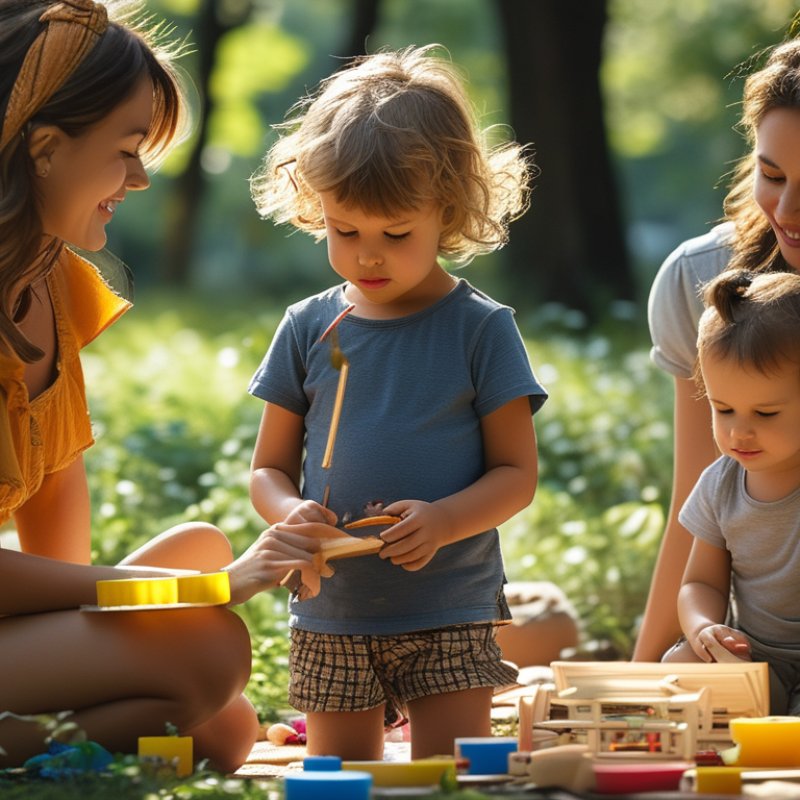
Play is a vital component of child development. It helps children learn social skills, build confidence, and express their emotions. Through play, children explore their environment and understand their world better. When children engage in imaginative games, they develop critical thinking. It's fascinating how a simple game of pretend can lead to problem-solving skills.
Outdoor play is particularly beneficial. Kids learn physical skills while enjoying fresh air. Climbing, running, and jumping help with motor development. These activities can sometimes lead to minor bumps and scrapes. However, these experiences teach resilience. Children learn that setbacks are a part of life, which is crucial for emotional growth.
It's essential to provide a variety of play opportunities. Some children thrive in active, outdoor settings. Others prefer quiet, indoor activities. Parents often feel pressured to fill every moment with structured activities. This can lead to stress for both kids and parents. Balancing structured and unstructured playtime is key. Allowing children to direct their play can foster independence and creativity.
Developing a play routine for kids requires understanding their developmental stages. Younger children, ages 2-4, engage in parallel play. They enjoy activities like building blocks or drawing. These tasks encourage fine motor skills and creativity. Encourage open-ended games to enhance imagination.
For children aged 5-7, cooperative play becomes vital. They can handle games that require teamwork. Simple sports, like soccer or tag, promote physical health and social skills. Group activities also help them learn how to interact and resolve conflicts. It's crucial to guide them but let them take the lead sometimes.
As kids grow older, around 8-12 years, their play needs change again. They crave more complexity. Activities like team sports or science projects can stimulate their critical thinking. This age group also benefits from unstructured playtime. Allowing them to explore their interests is essential. Reflect on their engagement levels, and adjust activities accordingly. Provide space for failure; it fosters resilience and growth.
Creating a balanced schedule for kids involves a careful mix of indoor and outdoor playtime. Research indicates that children need at least 60 minutes of physical activity daily. This recommendation aligns with data from the Centers for Disease Control and Prevention, emphasizing the importance of both types of play for a child's development.
Indoor play can be engaging and educational. Activities like building blocks or arts and crafts foster creativity and fine motor skills. However, too much screen time can hinder development. The American Academy of Pediatrics suggests limiting recreational screen time to less than two hours a day for children age 2 and older. Finding a healthy balance is crucial.
Outdoor play is equally vital. It encourages social skills and physical health. Nature-based play has been shown to reduce stress and improve attention. According to a report by the National Wildlife Federation, children who play outside develop better problem-solving skills. Yet, urban environments can limit access to safe play areas. Families need to seek local parks or community events that promote outdoor activities. Creating a varied play routine is essential for nurturing well-rounded children.
Creating a play routine for kids that includes social interaction is essential for their development. Kids thrive in environments where they can express themselves. Play is a natural way for them to interact with others. Structured activities can facilitate these connections. Look for opportunities where children can collaborate. Simple group games can foster teamwork and communication.
Outdoor play is ideal for socialization. Parks and playgrounds are excellent venues. Encourage your child to join in on games with peers. However, it's important to remind kids about sharing and taking turns. Sometimes, they may struggle with these concepts. This provides an opportunity for parents to step in and guide discussions about empathy and cooperation.
Additionally, consider joining local playgroups. These settings allow children to meet new friends. They may feel shy or reluctant at first. This is normal and should be addressed gently. Encourage them to share their thoughts and feelings. In time, they will learn valuable social skills. It's a process, and not every attempt will be perfect. Adaptations may be needed as children grow and change. Enjoying these moments is key.
Creating a healthy play routine for kids involves consistent monitoring and adjustments. Research indicates that play enhances children's cognitive, physical, and social skills. According to the National Association for the Education of Young Children (NAEYC), structured play can support school readiness, while unstructured play stimulates creativity.
To ensure activities contribute to a child's growth, evaluate engagement levels. If a child loses interest in a game, it might be time to switch things up. Kids frequently show preferences that evolve over time. For example, rotating between outdoor activities, such as cycling, and indoor tasks like building blocks can sustain excitement.
Tip: Observe your child's reactions. Are they enthusiastic or disengaged? This feedback is essential. Adjust play based on their mood and energy. If a child is restless, incorporating more active play can help.
Continuous assessment allows for a dynamic play routine. Results from a Pediatrics report indicate that children thrive on routine but also need flexibility. Therefore, be open to experimentation. If a certain game isn’t working, don’t hesitate to explore alternatives. Guided exploration helps kids discover their interests and keeps their playtime meaningful.
: Kids aged 2-4 enjoy parallel play. Activities like building blocks and drawing help them develop fine motor skills.
Group games are vital for teamwork. Simple sports and cooperative play teach interaction and conflict resolution.
This age group appreciates complex activities. Team sports and science projects foster critical thinking and creativity.
Yes, monitor children's engagement levels. Switch activities if they lose interest; preferences can change frequently.
Parks and playgrounds offer chances to join games. However, remind kids about sharing and taking turns while playing.
It's normal for kids to feel shy. Encourage them to express their thoughts and gently guide them in making new friends.
Flexibility is crucial; kids thrive on both routine and new experiences. Be willing to try different activities to maintain interest.
Watch your child's reactions. Are they excited or bored? Use this feedback to adapt activities according to their mood and energy.
Unstructured play encourages creativity and exploration. It provides space for failures, which fosters resilience and personal growth.
Yes, guiding is essential, but let kids lead sometimes. This balance helps them learn independently while developing social skills.
In "How To Build A Healthy Play Routine For Kids Today," the article outlines the critical role of play in child development, highlighting how it fosters creativity, social skills, and emotional well-being. It emphasizes the importance of identifying age-appropriate activities that cater to various developmental stages, ensuring that playtime is both enjoyable and beneficial.
To create a balanced schedule, the article encourages a mix of indoor and outdoor activities, promoting both physical health and exploration of the environment. Additionally, incorporating social interactions into play routines allows children to develop important communication skills and form relationships. Finally, the importance of monitoring and adjusting play activities is discussed, helping caregivers ensure that each child's play routine evolves to support their ongoing growth and development effectively.

Creative Pet Toys