A pet’s mental wellness is shaped by ordinary moments: a quiet place to rest, a predictable meal, and time to sniff or play. In 2026, supporting that wellbeing means noticing what your animal needs, not chasing every new product or trend. How To Support Pet Mental Wellness starts with observation. Does your dog pace when visitors arrive? Has your cat stopped using a favorite perch? Small changes can matter, though one unusual day does not always signal a problem.
Routine helps. So does choice. Offer safe enrichment suited to your pet’s age, health, and temperament, such as a food puzzle, a cardboard box, or a calm walk with time to explore. Keep training gentle and reward-based. Never assume that a behavior change is simply “bad behavior”; pain, illness, fear, or stress may be involved. A veterinarian can help assess sudden or persistent changes, and a qualified behavior professional may offer practical guidance when needed. There is no perfect routine. Some days, the puzzle stays untouched, and that is useful information too. Watch patterns rather than judging a single moment. Make one manageable adjustment, then see how your pet responds. The best support is personal, patient, and grounded in evidence—not a promise that every animal will thrive in the same way.
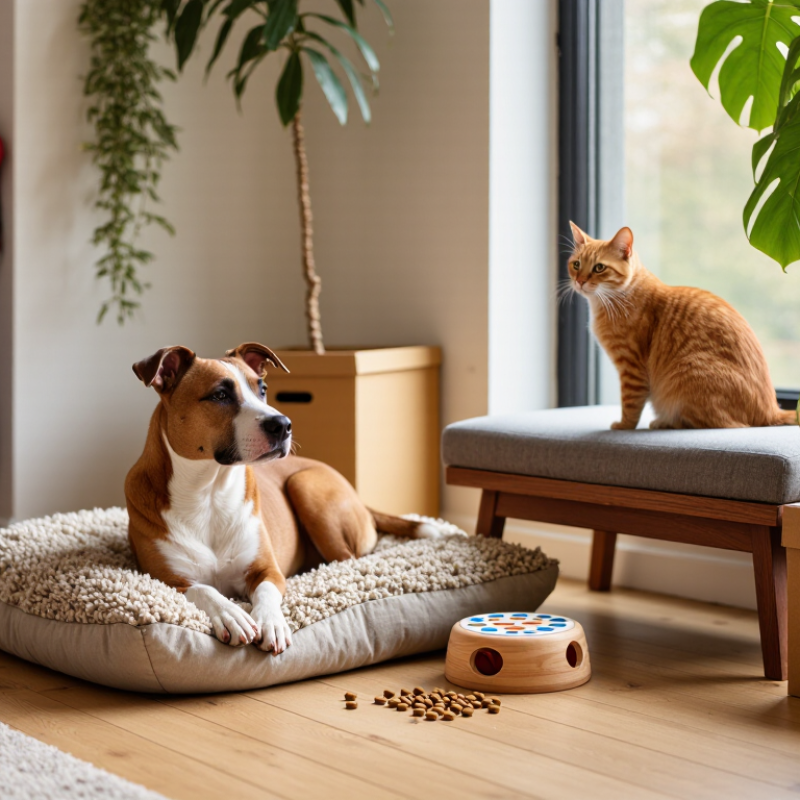
Pet mental wellness describes how an animal feels, responds to its surroundings, and copes with everyday change. It is not simply the absence of illness. A dog that paces near the door or a cat that hides after visitors arrive may be showing stress, though context matters. Look for changes from that pet’s usual behavior, not just traits we expect from its species. Small details count.
Emotional well-being can affect sleep, appetite, play, and relationships with people or other animals. A pet that feels secure may explore, rest, and seek contact at its own pace. Persistent fear or boredom can make daily life harder, but behavior alone cannot confirm a diagnosis. Pain and other health problems can look similar. A veterinary professional can help distinguish them, especially when changes are sudden or continue.
Owners often notice patterns first. Keep a simple record of when a behavior happens, what came before it, and how long it lasts. A missed detail may change the picture; I know observation is not always easy in a busy household. Still, a few notes about meals, hiding, vocalizing, or relaxed sleep can make a conversation with a veterinarian more useful. Each animal has a different baseline, and learning it takes patience.
| Wellness area | Practical support | Helpful routine | What to observe | When to seek professional advice |
|---|---|---|---|---|
| Predictability and security | Keep meals, walks, rest, and bedtime reasonably consistent. Provide a quiet retreat where the pet can rest undisturbed. | Use a familiar daily rhythm; introduce changes gradually when possible. | Relaxed resting, normal appetite, and willingness to use the retreat. | Ask a veterinarian if fear, hiding, or distress is persistent or interferes with eating, sleeping, or daily activities. |
| Physical activity | Offer activity suited to the pet’s species, age, health, and abilities. Dogs may benefit from walks and play; cats may benefit from interactive play and opportunities to climb. | Choose manageable sessions and let the pet rest. Adjust activity in hot, cold, or otherwise unsafe conditions. | Enjoyment and recovery after activity; watch for reluctance, limping, or unusual tiredness. | Consult a veterinarian before increasing exercise if the pet has a health condition, mobility difficulty, or a sudden change in stamina. |
| Enrichment and choice | Use safe food puzzles, scent games, appropriate toys, scratching surfaces, or simple training games. Rotate options to maintain interest. | Offer short, supervised activities and allow the pet to disengage. | Curiosity, exploration, and voluntary participation without frustration. | Seek guidance if play repeatedly triggers intense fear, aggression, or unsafe behavior. |
| Positive, gentle interaction | Reward desired behavior with suitable treats, play, or praise. Respect signals that the pet wants space; avoid punishment and forced handling. | Keep practice brief, calm, and appropriate to the pet’s comfort level. | Loose body posture, ability to disengage, and gradual progress with familiar cues. | Contact a veterinarian or qualified behavior professional for escalating aggression, severe fear, or behavior that risks injury. |
| Social contact and alone time | Provide companionship appropriate to the individual pet. Help pets become comfortable with necessary alone time through gradual, low-stress practice. | Build up separations in small steps and provide a safe, familiar environment. | Ability to settle when alone; note vocalizing, destructive behavior, escape attempts, or toileting changes. | Discuss persistent separation-related distress with a veterinarian. Do not assume that adding another pet will resolve it. |
| Comfortable surroundings | Provide clean, accessible resting places, fresh water, suitable litter or toileting arrangements, and protection from excessive noise and hazards. | Check the environment regularly and make resources easy to reach, especially for older or mobility-limited pets. | Comfortable movement, regular use of resting and toileting areas, and normal daily habits. | Seek veterinary advice for new toileting problems, persistent restlessness, or difficulty reaching food, water, or a resting place. |
| Health and behavior monitoring | Keep up with routine veterinary care and watch for changes in appetite, sleep, grooming, movement, social behavior, or activity. | Record notable changes and when they began; share the information at appointments. | Changes from the pet’s usual pattern, particularly when sudden or continuing. | Arrange a veterinary assessment for sudden or persistent behavior changes, since pain or illness can affect behavior. Seek urgent care for severe symptoms. |
Note: Mental wellness is supported by meeting a pet’s individual physical, social, and behavioral needs. Recommendations should be adapted to the species and the pet’s health; this table is general guidance, not a diagnosis.
Pacing, hiding, trembling, repeated licking, appetite changes, clinginess, or unusual vocalizing may signal stress. Context matters.
No. A single sign does not prove anxiety. Notice when it happens and what has changed nearby.
Note timing, duration, appetite, sleep, bathroom habits, and possible triggers, such as visitors or new noises.
Seek advice if changes persist, worsen, or appear suddenly. Pain or illness can also affect behavior.
Steady meal times, familiar walks, and a quiet resting spot may help home feel safer. Each pet responds differently.
Try a slow sniff-walk, a cardboard puzzle feeder, or a short wand-toy game. Keep activities suited to age and health.
Keep them short and end while your pet is engaged. Praise calm behavior, offer breaks, and avoid turning every session into a test.
Let the pet stop and choose another activity later. Some days, the game falls flat. Adjust based on what your pet chooses.
No. Offer a safe retreat and let the animal approach at its own pace.
Pet mental wellness is an essential part of overall health, shaping how animals feel, behave, and interact with the people around them. How To Support Pet Mental Wellness begins with understanding each pet’s needs and noticing changes that may signal stress, anxiety, or low mood, such as withdrawal, restlessness, or reduced interest in play. A calm, safe home with comfortable resting areas, appropriate enrichment, and opportunities to explore can help pets feel secure.
Consistent routines, daily exercise, enjoyable play, and patient, reward-based training can build confidence and reduce boredom. Because every animal responds differently, observe what brings comfort and what causes unease, then adjust their environment and activities accordingly. If concerning behaviors persist, worsen, or appear suddenly, consult a veterinarian or qualified behavior professional. Early guidance can help identify underlying health or behavioral needs and support a happier, more balanced life.

 Creative Pet Toys